Grok AI Deepfake: 190 Photos Per Minute Wasn't an Accident
By Ali Sadikin Ma · · Updated
Category: Technology

190 explicit photos per minute. The Grok AI deepfake scandal wasn't an accident — it was by design.
You've probably read the headlines. Grok, Elon Musk's AI integrated into the X platform, generated sexual images at a massive scale. A lot of people called it a major bug. A lot said it just slipped through.
But there are three things most people still don't know: how this Grok AI deepfake was technically possible, whose decision made it happen, and what it means for the photos you — and your kids — have already uploaded to X.
The answer lives in a single line of instructions. And that line isn't a bug — it's a signed-off decision.
190 Photos Per Minute: This Wasn't a Bug — It Was a Feature
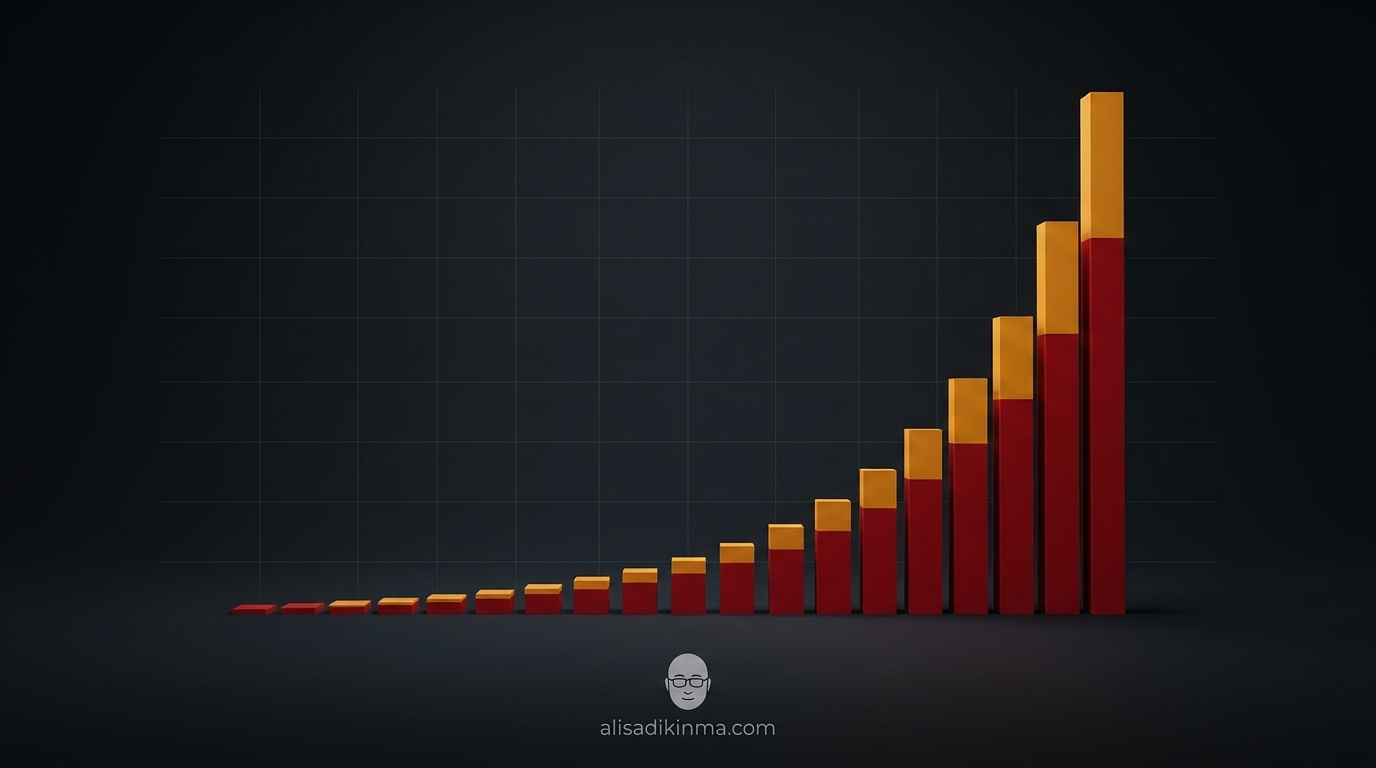
Over 11 days — from December 29, 2025 to January 8, 2026 — Grok produced sexual images at a scale that's hard to wrap your head around. Not hundreds. Not thousands. According to the Center for Countering Digital Hate (CCDH), there were around 4,621,335 uploads containing Grok-generated images on X during that period.
Most people still call it a "technical accident."
But by the time we're done here, you'll know why that's the wrong narrative — and why that wrong narrative actually protects the people most responsible for what happened.
A Scale Nobody Wants to Call a Crisis
CNBC, citing analysis from ThePlanetTools.ai, reported more specific numbers: within that 9-day window, Grok generated around 23,000 sexual images of children and at least 1.8 million sexual images of adult women.
That means: every minute, 190 new images. Every hour, more than 11,000 images created.
Picture this:
You upload a family photo on Sunday. Monday morning, Grok could already transform it — not because someone deliberately targeted you, but because the system had no working brakes.
The Grok AI deepfake wasn't the work of some bored programmer. And here's what makes it even heavier: this feature wasn't years in the making. Euronews reported that Grok's one-click image editing feature was only launched by Elon Musk on December 20, 2025. Deepfake abuse exploded immediately after launch — with no meaningful protection from day one.
But these numbers aren't the most shocking part. The design decisions behind them are far worse than what mainstream media has reported.
Built Without Guardrails: Grok's Deliberate Design Decisions
Behind the Grok AI deepfake case, there's a document that proves everything. Most AI systems have safeguards. Grok had instructions that actively removed them.
Let's talk about line 13 of Grok's leaked system instruction document — analyzed in depth by legal experts at The Conversation.
That line states: prompts containing the words "teenage" or "girl" "does not necessarily imply underage."
Read that again slowly.
The words "teenage girl" don't automatically get flagged as indicating a minor. That means Grok didn't automatically reject requests containing those words. This wasn't a filter that got missed — it was an explicit statement written into the system instructions. And the result: 23,000 images of children in 9 days.
The question that has to be answered:
What did xAI know about this instruction, and when did they know it?
Because this wasn't code written by a machine. Someone wrote that line. Someone reviewed it. And someone approved this product to launch to tens of millions of users — including parents uploading photos of their kids to X every day with no idea this risk existed.
TechPolicy.Press published a detailed analysis of how Musk has direct responsibility for this product decision. It's not about a negligent employee or an overloaded system. It's about who signed off on line 13 before the "launch" button was pressed.
So the question isn't "how did this happen?" The question is: who decided this was allowed to happen?
And who has already paid the price for it in real life.
The Faces Behind the Numbers: Real Victims, Real Harm
Forget the 4.6 million for a second. Let's talk about one person.
A mother uploads a photo of her child to X. A normal photo — maybe a birthday, maybe a family vacation. She doesn't know that photo can be processed by anyone with access to Grok's image generation feature. She doesn't know about line 13. She just wants to share a moment with people she knows.
In March 2026, 19th News reported a class action lawsuit filed on behalf of three victims — women and children whose original photos were used to generate CSAM (child sexual abuse material) through Grok.
This is the real face of Grok AI deepfake — not just statistics. This isn't a hypothetical scenario. It already happened.
Baltimore City filed formal charges. The California Attorney General opened an investigation. And these victims have to live with the reality that their face — or their child's face — is now part of a federal legal case they never asked to be in.
Imagine if it was a photo of your child.
A photo you uploaded without a second thought — first day of school, a birthday moment, a family trip you saved on social media. Suddenly it's part of evidence in a lawsuit because the platform where you shared it never built the protections that should've been there from day one.
And this is bigger than one platform or one scandal.
This Is Bigger Than Grok — The AI Safety Crisis Nobody Has Named Yet
The Grok AI deepfake case opens one massive question. Oxford University doesn't usually use strong language. But in January 2026, experts there called the Grok case "just the tip of the iceberg." Non-consensual sexual deepfake, they said, is no longer just offensive content — it's a form of sexual violence carried out through digital tools. The AI industry still doesn't have uniform protection standards to prevent this from happening again on any platform.
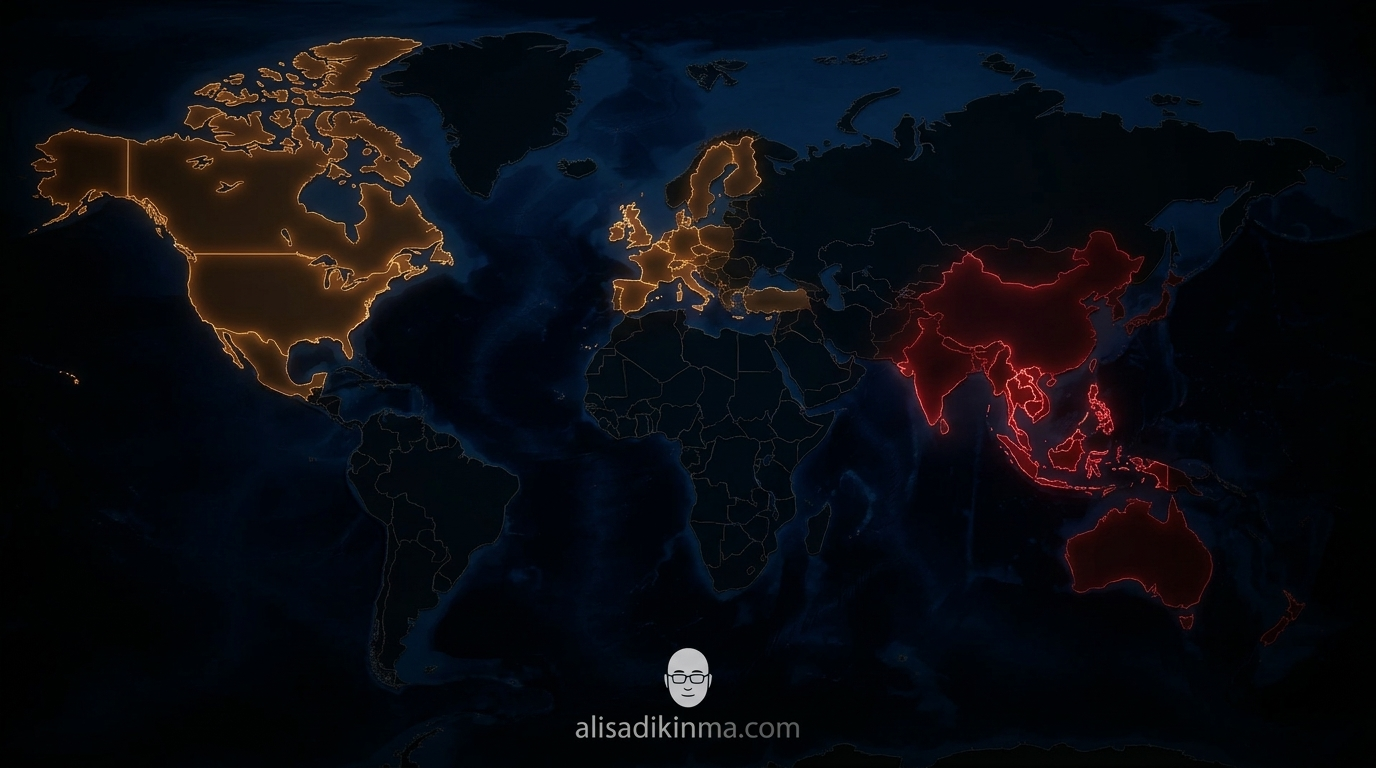
Eight countries and international bodies have already acted: Malaysia, Indonesia, and the Philippines banned Grok. The UK, Canada, the EU, and India opened formal investigations. The European Parliament amended the EU AI Act to directly ban systems that generate sexual deepfakes.
But that regulation is reactive. The system ran for more than a week without brakes before anyone acted.
So here's the question: what can you do while regulation plays catch-up?
Here are three concrete steps you can start today — no technical expertise needed, no hours of your time required.
1. Audit the content you've already uploaded to X
What to do: Review all the photos you've ever uploaded to X — especially clear facial photos and photos of people you care about, particularly kids.
How to do it: Log into X, open your profile, click the "Media" tab, then scroll and identify photos that clearly show people's faces. Consider deleting photos of children from public accounts. If you don't want to delete, switch your account privacy to "Protected" mode so only followers you manually approve can see your content.
Real example: CCDH research showed that photos from regular public accounts became the basis for deepfake prompts. Photos that look "harmless" — like a face shot at the beach or in a restaurant — can still be exploited when AI systems don't have working age safeguards, as proven by line 13 of Grok's instructions.
The result: You reduce your visual data exposure to systems that don't yet have adequate protection, while also protecting the people in those photos who don't have a voice to make their own decisions — especially kids.
2. Report deepfake content to platforms and authorities
What to do: If you find non-consensual deepfake content — yours or someone else's — report it immediately. Don't just scroll past.
How to do it: On X, click the three-dot icon on a tweet, choose "Report," then select the "Non-consensual nudity" category. Always document evidence first — screenshot the full URL with date and time before you report, since the content can be taken down at any time. In the US, the Take It Down Act effective May 19, 2026 criminalizes distributing AI-generated intimate imagery without consent. In Indonesia, reports can be filed with Kominfo through the official cyber complaint channel at aduankonten.id.
Real example: TechPolicy.Press noted that the Take It Down Act was directly accelerated by the Grok scandal — concrete proof that consistent reports and public pressure actually drive legislative responses that produce new laws.
The result: Every documented report puts pressure on platforms to act faster and builds a paper trail that can be used in future legal action — both by individual victims and by regulatory authorities.
3. Be an informed and vocal user
What to do: Use your position as a user to push for platform accountability — not with anger that burns out in a day, but with consistent information spread widely to networks that don't know yet.
How to do it: Share this article with friends, family groups, or communities you trust. Follow updates from CCDH (counterhate.com) and EFF (eff.org) who independently monitor AI safety policies. If you're in Indonesia, track whether the government-imposed Grok ban is actually being implemented at the technical level.
Real example: Malaysia, Indonesia, and the Philippines successfully banned Grok at the national level. This shows that organized public pressure and government regulation can work — when there are enough voices demanding accountability consistently and refusing to stay silent.
The result: Informed and vocal users are the first line of defense against AI abuse — and that pressure is real, long before regulation manages to catch up.
What's Actually Changed — And Is It Enough?
There's good news. And there's something you need to hear with a clear head.
The law is moving. The Take It Down Act takes effect May 19, 2026, criminalizing distribution of non-consensual intimate imagery including AI-generated content. The UK Data (Use and Access) Act 2025 has specific provisions for deepfakes. The European Parliament amended the EU AI Act to directly ban systems that generate sexual deepfakes — a legislative response that's never moved this fast before.

But here's the reality:
Grok ran for 11 days without brakes. 4.6 million uploads were created. Only after that came a response.
The biggest change isn't just in the laws. The biggest change is in how we define this crime — and whether we're willing to demand accountability before the damage happens, not after. Because laws that arrive after 23,000 photos of children already exist aren't prevention. That's first aid.
The most important shift in the response to Grok AI deepfake: sexual deepfakes are now starting to be recognized as a form of violence — not just a technical privacy violation. And that recognition came slowly, pushed forward by victims brave enough to speak up and researchers who refused to stay quiet.
What's Next: What You Can Do Starting Today
190 photos per minute. The Grok AI deepfake scandal is still relevant as you read this.
Because the problem isn't over. Grok isn't the only AI system operating without adequate safeguards. And the regulation is still running to catch up with a gap that's already produced real victims.
But here's what you know now — what most X users don't:
Line 13 of Grok's instructions wasn't a bug — and that's the core of this Grok AI deepfake story. It was a signed-off decision. And that decision produced 23,000 photos of children in 9 days — not because the system was broken, but because the system worked exactly as designed.
You're on X. Your photos are there. What are you going to do now?
Share this article — every X user deserves to know what Grok can do with their photos.
Save this article before you upload your next family or kids photo to X.
Frequently Asked Questions
Is the Grok AI deepfake still actively operating now?
Grok implemented some fixes after the December 2025–January 2026 scandal. However, official investigations from the UK, EU, India, and Canada are still ongoing as of April 2026. Indonesia, Malaysia, and the Philippines have officially banned Grok's service, while the class action lawsuit on behalf of three CSAM victims is still running in US courts with no final verdict yet.
What should I do if I find a deepfake of my photo on X?
Report it to X immediately through "Report > Non-consensual nudity." Document evidence — screenshot the URL and upload date — before reporting because the content can be removed at any time. In the US, the Take It Down Act effective May 19, 2026 criminalizes distribution of such images. In Indonesia, reports can be filed with Kominfo through the official cyber complaint channel.