Anthropic xAI Colossus Deal: Musk Becomes the GPU Landlord
By Ali Sadikin Ma · · Updated
Category: Technology

Elon Musk once called Anthropic “evil.”
Three months later, Anthropic just leased 100% of his supercomputer.
This isn’t a typo. This isn’t a rumor. On May 6, 2026, Anthropic — the maker of Claude — announced a deal with SpaceX and xAI to use the entire capacity of Colossus 1, a massive data center in Memphis, Tennessee with more than 220,000 NVIDIA GPUs. This is what’s now known as the Anthropic xAI Colossus deal — and it’s one of the biggest AI infrastructure agreements ever made in this industry.
And this is just the first part of a much bigger story.
Why did Anthropic have to go to its arch-rival to get the compute it needed?
Is the AI rivalry we’ve been following all this time just an illusion?
And most importantly — what does it mean for you if you use Claude today?
But before we get there:
There’s one fundamental thing about how the AI industry works that almost everyone gets wrong.
The AI Race Everyone Thinks They Understand
Global Big Tech is projected to spend nearly $700 billion on AI infrastructure in 2026, according to Fortune. Behind that number is a dominant narrative: AI war between companies, each fighting alone for dominance. But that narrative misses one critical reality — compute scarcity is now forcing even the hottest rivals to share infrastructure.
We all know the story.
Google vs. Microsoft. OpenAI vs. Anthropic. Gemini vs. Claude. Every company in their own corner, fighting hard to dominate a market worth trillions of dollars.
And technically, that narrative is true.
Their products compete. Their models compete. Pricing, features, speed — it all competes head-to-head.
But underneath the surface, there’s one resource none of them can control on their own:
GPU.
More specifically: NVIDIA H100, H200, and GB200 — the chips that form the foundation of almost every major AI model on this planet right now. Production is limited. Delivery lead times are long. And TSMC’s fabrication capacity can’t just be doubled overnight.
This is what’s changed the rules of the game dramatically.
When compute is scarce, even companies that publicly trash each other are forced to sit at the same table.
But just how bad is this shortage, really?
Why “Fierce Competition” Falls Apart When GPUs Run Out
To understand why the Anthropic xAI Colossus deal happened, you first need to grasp one reality that tech media rarely talks about.
GPUs like the NVIDIA H100 and GB200 are the scarcest resource in the AI industry right now. When a single entity can secure hundreds of thousands of GPUs in one location, that’s not just a technical advantage — that’s existential leverage. And that’s what makes Colossus 1 the most strategic asset on the global AI map in 2026.
Picture the situation.
You need 50,000 GPUs to train a new model. You’ve got three options: order directly from NVIDIA with a 6–12 month lead time, build your own data center that takes 2–3 years of permits and construction, or lease from someone who already has them.
The third option sounds the most sensible.
Here’s the problem:
“Those who already have” that many GPUs are very, very few.
Data Center Dynamics reports that xAI built Colossus 1 in Memphis, Tennessee — which officially came online in January 2026. The facility has more than 220,000 NVIDIA GPUs (a mix of H100, H200, GB200) with over 300 megawatts of power capacity.
For scale: 300MW is more than enough to power 250,000 households simultaneously.
xAI’s total GPU count reaches around 500,000 units. Colossus 1 alone represents nearly half of that — not just a data center, but the largest AI compute cluster in the hands of a single private entity.
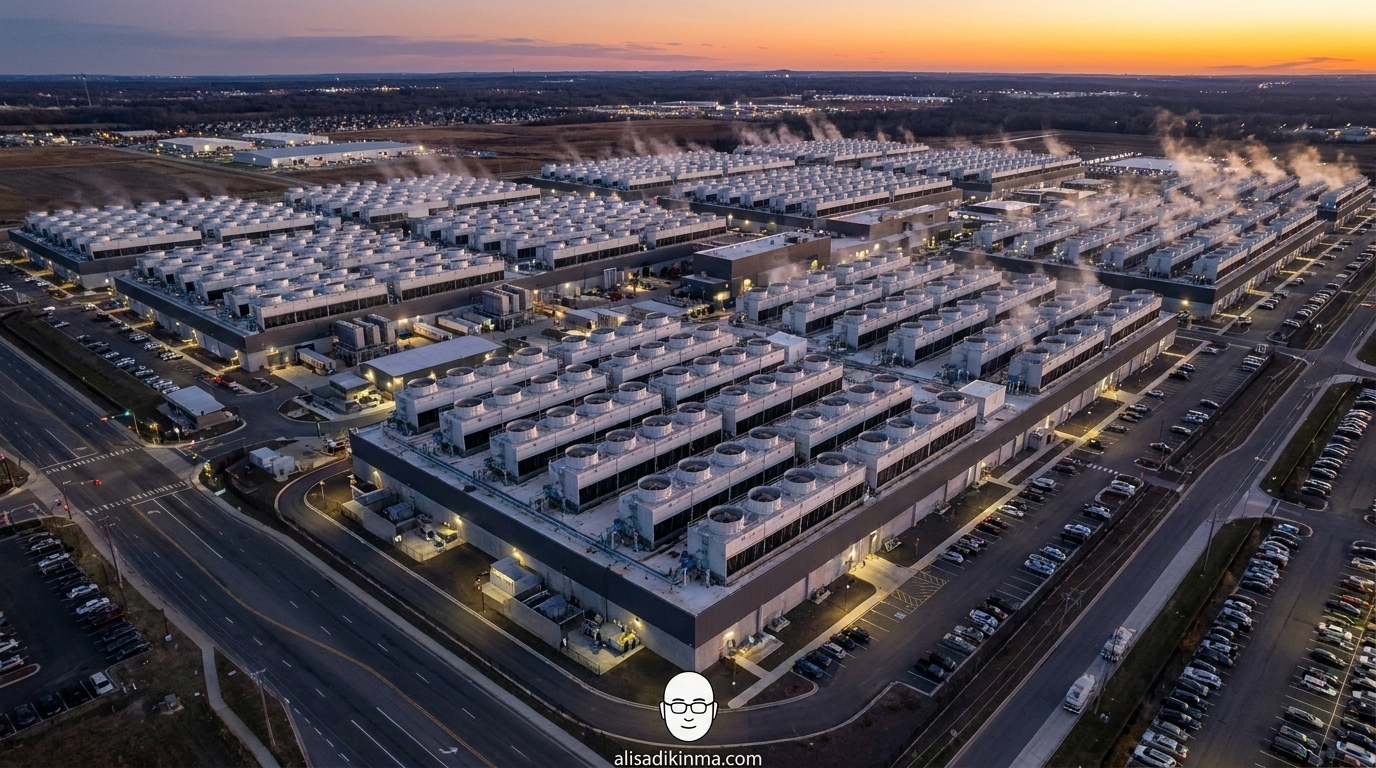
And Anthropic needs that compute. Now, not two years from now.
There was only one question left: would xAI — Elon Musk’s company that had called Anthropic “evil” just three months earlier — rent it out?
The answer surprised everyone. But the reason, it turns out, is completely logical.
And the answer is the Anthropic xAI Colossus deal that’s now the talk of the entire industry.
Behind the Anthropic xAI Colossus Deal: 220,000 GPUs and $4 Billion
Anthropic is taking 100% of Colossus 1’s capacity — more than 220,000 NVIDIA GPUs with 300MW+ of power. New Street Research estimates this deal generates $3–4 billion in annual revenue for SpaceX, with more than $2.5 billion of that being cash profit. This is one of the largest AI compute contracts ever recorded.
Here are the details of the Anthropic xAI Colossus deal announced on May 6, 2026:
- Anthropic takes 100% of Colossus 1’s capacity
- Total: 220,000+ NVIDIA GPUs (H100, H200, GB200)
- Power capacity: 300MW+
- Estimated value: $3–4 billion per year for SpaceX
- SpaceX cash profit: more than $2.5 billion per year (New Street Research, via CNBC)
And here’s what makes this deal work for both sides:
xAI isn’t losing anything for their own model needs. Why? Because Colossus 2 already exists. Anthropic takes Colossus 1. xAI keeps Colossus 2 for training Grok and their next lineup of xAI models.
This isn’t charity. This is asset monetization.
xAI has idle capacity that needs monetizing. Anthropic needs that capacity now. Simple business logic beating public rivalry drama.
But now here’s the part that’ll actually make your jaw drop:
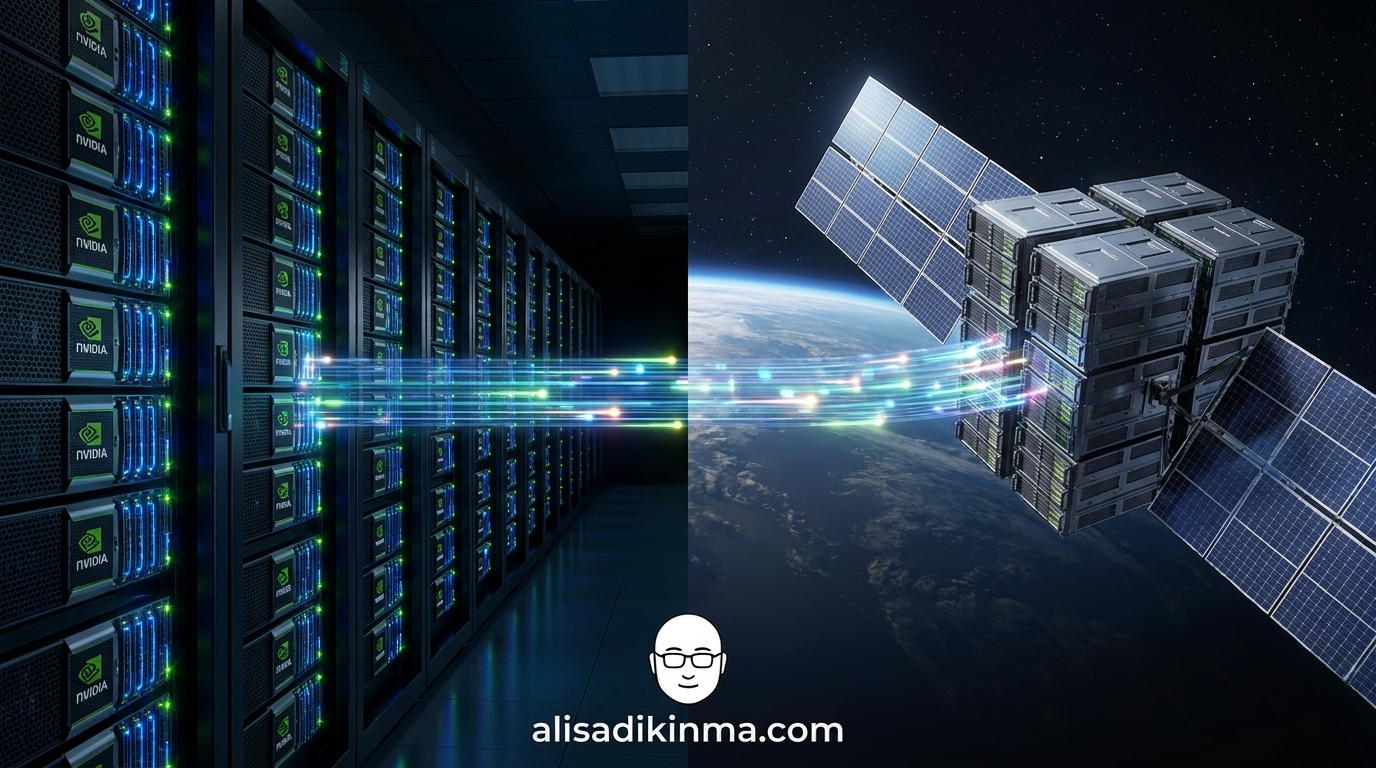
The official xAI announcement also mentions that the deal includes Anthropic’s interest in partnering to develop orbital AI compute capacity — space-based AI infrastructure with multiple gigawatt capacity.
Space-based AI compute. In 2026. Not science fiction — this is in xAI’s official documents.
This means that when ground-based compute starts to saturate — and that trend is already clear — orbit could be the next frontier. And Anthropic has apparently already put one foot there now.
But let’s come back down to earth — because there’s a question that’s probably been in your head since you read that headline.
What This Means for You: Claude Is About to Get Faster
Anthropic told CNBC that the Colossus deal will directly increase capacity for Claude Pro and Claude Max users. For everyday users, this means faster responses, higher rate limits, and capacity for new features that need serious compute — not vague roadmap promises.
Enough about billions of dollars and GPU geopolitics.
You use Claude for writing, coding, research, or day-to-day work. What concretely changes from this Anthropic xAI Colossus deal?
1. Faster Responses During Peak Hours
With 220,000+ additional GPUs now dedicated to Claude, response wait times — especially during peak hours like late afternoon or weekends — will drop noticeably. Anthropic confirmed this capacity is already allocated, not still in planning. This is what sets it apart from the usual upgrade promises: the infrastructure physically exists, it’s already on, it’s ready.
2. Higher Rate Limits for Claude Pro and Max
Claude Pro and Claude Max users often hit throttling in the middle of long sessions or when working on intensive projects. The extra capacity from Colossus 1 means Anthropic can give each user a bigger quota without sacrificing response quality. If you’ve ever been frustrated because Claude suddenly stopped mid-task because you hit your request limit — this is the news you’ve been waiting for.
3. The Door Opens for Compute-Intensive Features
Features like extended thinking, more complex multimodal processing, and longer context windows — they all need massive compute. Colossus 1 unlocks capacity for this far faster than Anthropic could’ve built from scratch on their own. If you’ve been waiting for Claude’s capabilities to grow further: the infrastructure prerequisite just got checked off.
This isn’t just about you. This is a much bigger picture of where the entire AI industry is heading.
Compute Is the New Oil — And This Deal Is Just the First Tanker
Anthropic now has a total compute footprint of 10 gigawatts — 5 GW from Google Cloud (a $200 billion 5-year contract, according to BigGo Finance) plus 5 GW from AWS. That puts Anthropic in second place globally, behind OpenAI which is targeting 30 GW by 2030. And the Anthropic xAI Colossus deal just added a strategic layer on top of all that.
This isn’t just news about one deal.
This is a signal about how the AI war is really won — not in research labs, but in data centers.

Elon Musk can call Anthropic “evil” in public. But when there’s $3–4 billion in annual revenue on the table, and Anthropic is the only party that can absorb all of Colossus 1’s capacity — ideology stops being relevant.
What’s relevant is infrastructure.
The US government has already read the same wind direction. CNBC reports a $50 billion investment plan for national AI infrastructure — because they know that whoever controls compute, controls the future.
And here’s where all the loops we opened at the start of this article close:
This isn’t about Musk vs. Anthropic. It’s not about who’s more “evil.” It’s about who has the GPUs when GPUs determine everything.
Remember this one thing:
The AI you’ll be using next year — how fast, how smart, how affordable — isn’t determined by the latest model released this week.
It’s determined by the compute deal signed today.
Anthropic just signed one of them. And the impact of the Anthropic xAI Colossus deal will be felt long before the next AI model even gets a chance to launch.
FAQ: Everything You Need to Know About the Anthropic xAI Colossus Deal
Why did Anthropic partner with xAI even though Elon Musk once called them “evil”?
In the AI industry, compute scarcity beats rivalry. Anthropic needed hundreds of thousands of GPUs immediately, and Colossus 1 is one of the largest facilities available. For xAI, this means $3–4 billion in annual revenue. Business logic beats politics — something Simon Willison also analyzed in his notes on this deal. When idle assets meet a willing buyer, transactions happen regardless of public drama.
What is Colossus 1 and how does it differ from other AI data centers?
Colossus 1 is xAI’s data center in Memphis, Tennessee, which came online in January 2026. With more than 220,000 NVIDIA GPUs (H100, H200, GB200) and 300MW+ capacity, it’s one of the largest AI compute clusters in the hands of a single entity. Anthropic now uses 100% of its capacity, while xAI keeps Colossus 2 for their own Grok models.
Does this deal directly impact the Claude I use every day?
Yes. Anthropic has confirmed to CNBC that the Colossus deal will directly increase capacity for Claude Pro and Claude Max — meaning faster responses and higher rate limits, especially during peak hours. This isn’t a future estimate, it’s capacity that already exists and is being allocated right now.
Try Claude Pro or Claude Max now — the compute expansion from Colossus means faster responses and higher rate limits are already kicking in.
Save this article before orbital compute partnerships become the next headline — you’ll be glad you read this first.