Anthropic SpaceX Deal: 220,000 GPUs Reshaping AI Coding
By Ali Sadikin Ma · · Updated
Category: AI Vibe Coding
Elon Musk's company just handed Claude — OpenAI's biggest rival — the world's most powerful AI supercomputer.
Hold on. This isn't a typo.
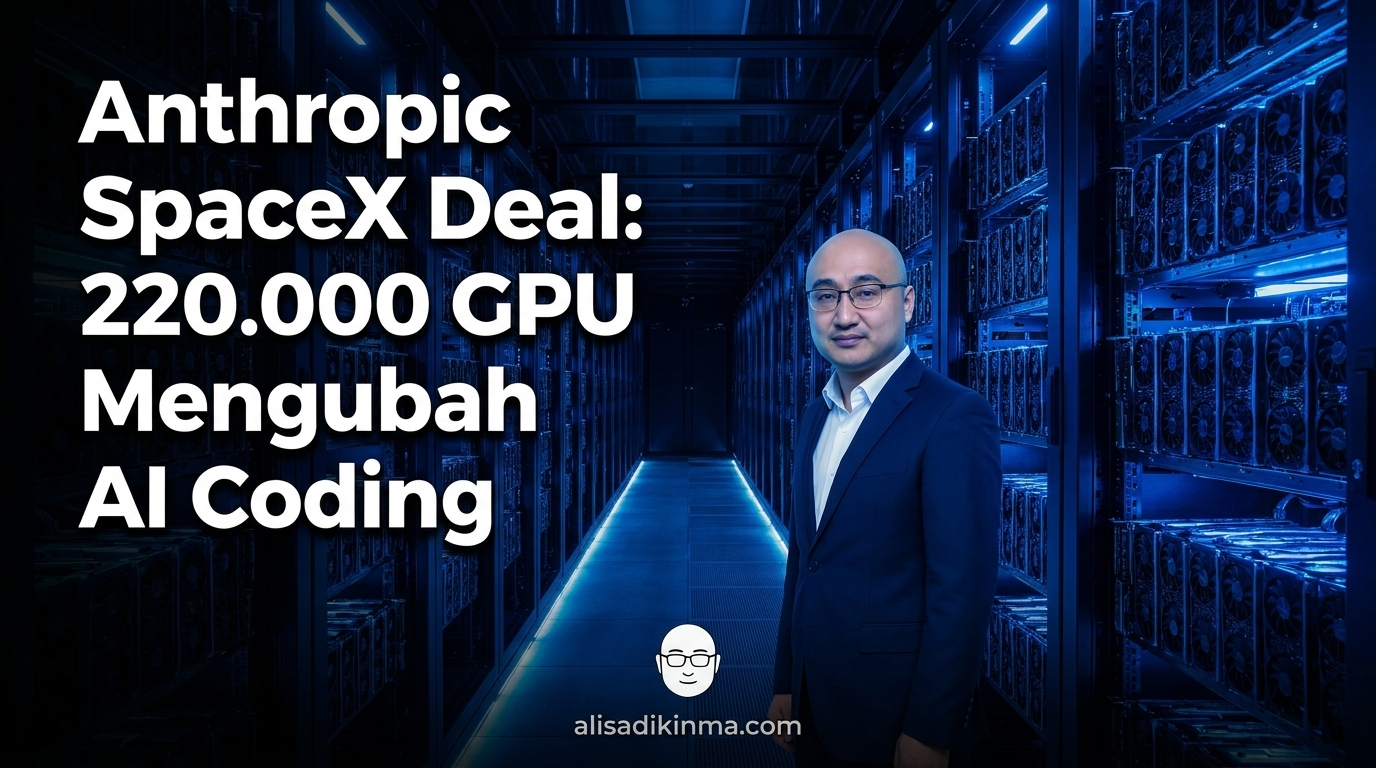
SpaceX, founded by Musk — the person most vocally opposed to OpenAI, who even sued them in court — just sealed the biggest Anthropic SpaceX deal in AI industry history: full access to Colossus 1, a data center with 220,000+ Nvidia GPUs and 300 megawatt capacity.
And there's one detail almost everyone missed.
Not about the GPU numbers. Not about the power capacity. But about what happens after this Anthropic SpaceX deal — and why developers using Claude Code today can feel it immediately.
There's one more thing nobody's told you about this Anthropic SpaceX deal. But we'll get there.
The AI Compute Arms Race: Why Every AI Lab Is Fighting for Compute
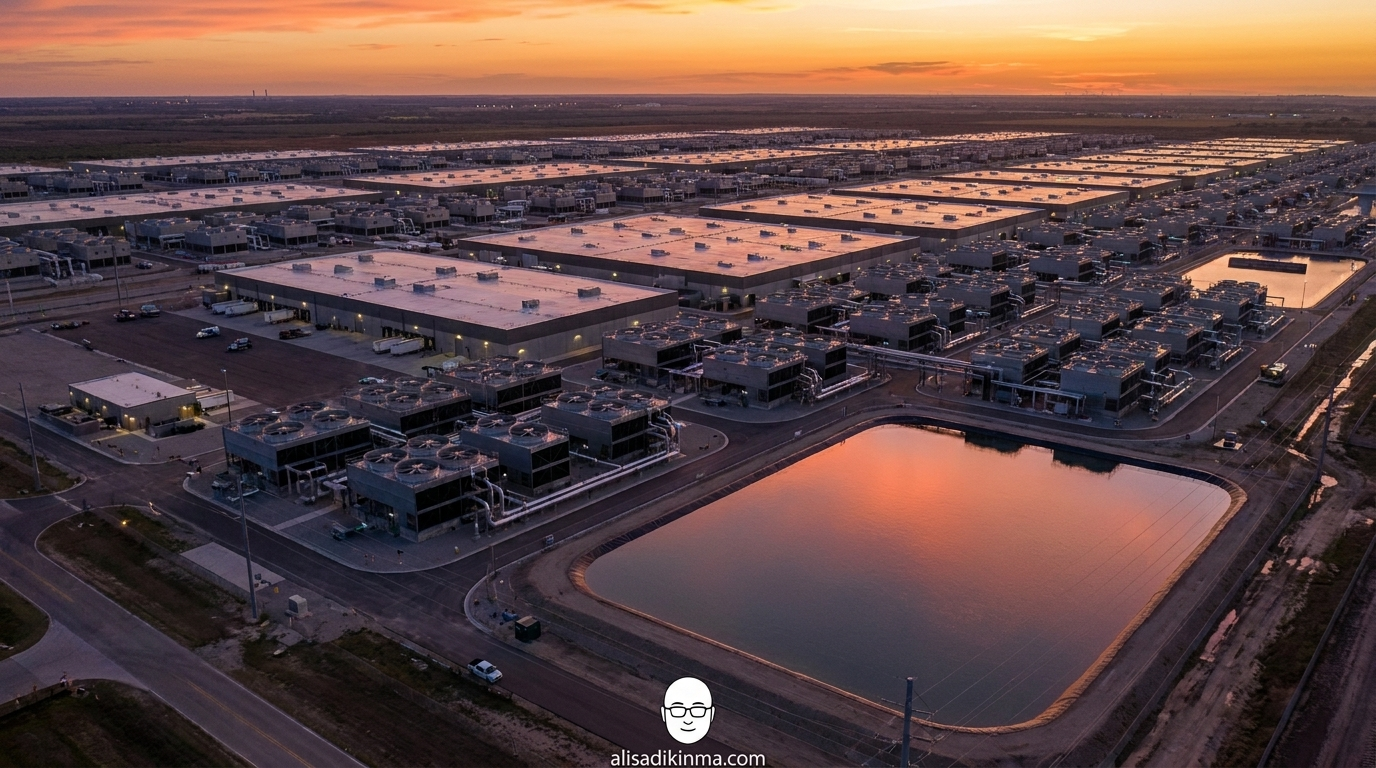
Over the past 15 months, Anthropic grew from $1 billion to $30 billion in annualized revenue — a 30x jump that's never happened before in the AI industry, according to tech-insider.org (2026). But one problem followed that growth like a shadow: compute. Every new model launch, demand exploded, servers filled up, and developers waited in long queues.
Here's where context matters:
Every major AI lab is fighting for compute capacity. Google has its own TPU farms. Microsoft backs OpenAI with Azure. Amazon has Bedrock and AWS. But Anthropic — the one growing fastest — didn't have its own large-scale compute infrastructure.
Until now.
Who's actually winning this arms race? The numbers are surprising — and they're all in the next section.
Inside Colossus 1: What You Actually Get from the Anthropic SpaceX Deal
Colossus 1 isn't just a big data center. Based on reports from Yahoo Finance and Bloomberg (May 2026), this Anthropic SpaceX deal gives Anthropic exclusive access to more than 300 megawatts of power capacity — equivalent to electricity for 225,000 households — and 220,000+ Nvidia GPUs operated by SpaceX. This is the largest AI capacity transfer ever between two private companies.
But here's one detail almost nobody picked up:
Musk himself publicly praised the Anthropic team after this Anthropic SpaceX deal.
"Everyone I met was highly competent and cared a great deal about doing the right thing." — Elon Musk, on the Anthropic team (Yahoo Finance, 2026)
Yeah, that Musk. The one who sued OpenAI. The one who built xAI as a direct competitor. He publicly praised his main AI rival.
Why?
Because this isn't about altruism. SpaceX needs a world-class marquee AI customer — especially heading into their IPO. And Anthropic, with 30x growth in 15 months, is the most show-worthy customer in the industry.
The Anthropic SpaceX deal also comes with a safeguard clause: SpaceX can block usage that conflicts with their interests. This is a strategic partnership with clear limits — not blind trust.
What does 300 megawatts actually mean for you as a developer? The numbers in the next section answer that directly.
Claude Code's 10x Explosion — And Why Compute Was the Only Thing Holding It Back
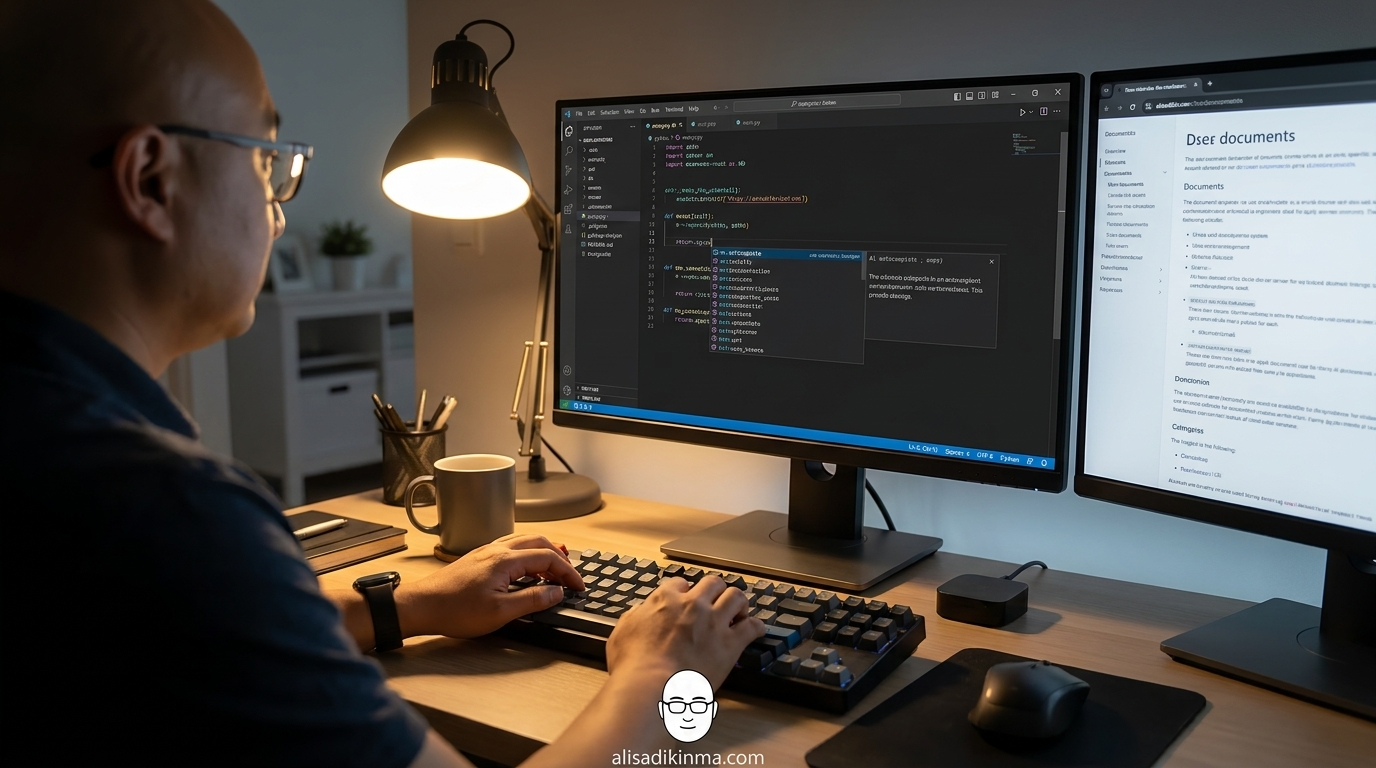
Claude Code grew more than 10x in three months since its full launch in May 2025, with run-rate revenue passing $2.5 billion by February 2026, according to HiveTrail's analysis of the Anthropic 2026 Agentic Coding Trends Report. And 35% of all conversations on Claude.ai are coding and math tasks — the most common usage category on the platform (Anthropic Economic Index, January 2026).
One number that matters more:
After this Anthropic SpaceX deal, Anthropic doubled Claude Code rate limits for all paid accounts and removed peak-hour caps for Pro and Max — effective immediately, according to Telecompaper (2026).
Here's what changed in concrete terms:
1. Rate Limits Doubled, Peak Caps Gone
What changed: Before, Pro and Max accounts got throttled during peak hours — usually US morning and afternoon. Now, those caps are completely gone.
How to use it: Open Claude Code and run the agentic tasks you usually avoided during peak hours — refactor a large module, generate a full test suite, or debug a complex issue. No more queues. Just start.
Real example: Augment Code, an Anthropic enterprise customer, completed a project originally scheduled for 4–8 months in under two weeks using agentic coding tools (HiveTrail, 2026).
Outcome: Teams that used to wait in line can now run parallel tasks without bottlenecks. Estimated: 2–3x iteration speed for complex projects.
2. Agentic Tasks Are Now Way More Viable

What changed: Agentic tasks — where Claude runs a long chain of actions automatically — are the most vulnerable to rate limits. One session can consume hundreds of API calls. With caps removed, long sessions no longer cut out in the middle.
How to use it: Activate project-level context in Claude Code. Set up long tasks like "review all PRs this week and give me a risk summary" or "generate documentation for all public functions in this repo" and let it run unsupervised.
Real example: Developers reporting in tech forums mentioned that since caps were removed, they can run overnight agentic sessions without session interruptions — something that wasn't possible before.
Outcome: Tasks that used to need manual intervention every 30 minutes can now run 4–8 hours without interruption.
3. Enterprise Access Is Opening Up
What changed: Anthropic now holds 32% enterprise AI market share in 2026, up from under 15% in 2025, according to tech-insider.org. With the capacity expansion from the SpaceX deal, Anthropic can onboard new enterprise customers much faster than before.
How to use it: If your team hasn't evaluated Claude Team or Enterprise plans yet, now's the time. Enterprise onboarding queues that used to take 6–8 weeks could drop significantly with this new capacity.
Real example: Fortune 500 companies that used to join long waitlists can now start onboarding in days, not weeks.
Outcome: The enterprise AI adoption window is opening wider — but competitors are also starting to move. Faster is better.
What's Changing Now: Rate Limits, Enterprise, and the Developer Shift
Think about the last time you hit a rate limit at a critical moment. Debugging a production issue at 9pm and Claude suddenly stops responding. Or generating a test suite for tomorrow's deadline and the session cuts out halfway. That's not a model problem — that's an infrastructure problem. And that infrastructure just got a massive upgrade.
Beyond SpaceX, Anthropic also has a separate deal with Amazon for up to 5 gigawatts of compute capacity — with nearly 1 GW coming online before end of 2026 (Telecompaper). That's two major pipelines running in parallel.
Here's what that means:
Even if Colossus 1 fills up, there's a fallback. Even if demand explodes in Q3 2026, there's backup capacity ready. For developers, this isn't just about looser rate limits — it's about the confidence to build on solid infrastructure without worrying about servers going down at the most critical moments.
What Nobody's Told You Yet: AI in Orbit

Behind all the GPU numbers and megawatts, there's one sentence in this Anthropic SpaceX deal that almost nobody picked up: Anthropic expressed interest in developing several gigawatts of AI compute capacity in orbit — together with SpaceX (Yahoo Finance, 2026). This isn't science fiction and it's not a 50-year plan. It's the logical next step of a partnership that just started.
Why does this matter?
Solar power outside the atmosphere is 8x more efficient than on Earth's surface. No cloud coverage. No seasons. Nearly unlimited power — with low latency to the entire world simultaneously.
And now, we're back to the Musk paradox we opened with:
Why is the man who sued OpenAI helping their biggest rival?
Because Musk isn't playing on the same chessboard. He's playing on a bigger one — one where SpaceX is the infrastructure for all AI, not just one lab. Musk isn't picking sides. He's selling the field where all sides compete.
All the questions we opened with have been answered.
One question left for you:
What will you build when compute is no longer the limit?
FAQ: Your Questions About the Anthropic-SpaceX Deal, Answered
Does the Anthropic-SpaceX deal mean Claude is now faster?
It's not about model speed — Claude doesn't get smarter from this deal. What changes is capacity. More compute means less throttling, looser rate limits, and servers that don't get overwhelmed during peak hours. The result: Claude is more consistently available, especially during peak hours and when running long agentic tasks.
Will Claude Code prices go up because of this infrastructure cost?
No signals pointing that way. Anthropic actually doubled rate limits without raising prices — a sign they're absorbing infrastructure costs from 30x revenue growth in 15 months. This strategy looks more like grow fast, expand later than traditional cost-plus pricing.
Who benefits most from this Anthropic SpaceX deal?
Developers using Claude Code Pro or Max for agentic tasks — especially those who've been avoiding peak hours. Enterprise teams that need fast onboarding also benefit since queues dropped significantly. Individual developers on paid plans can feel the benefits today.
Try Claude Code Max now — rate limits are already doubled, peak caps are already gone. Start building today.
Or, save this article and share it with your dev team before your next sprint planning — because the capacity gap between teams using agentic AI and those who aren't is widening fast.