27 Illegal Turbines: xAI NAACP Lawsuit Memphis Data Center
By Ali Sadikin Ma · · Updated
Category: Technology
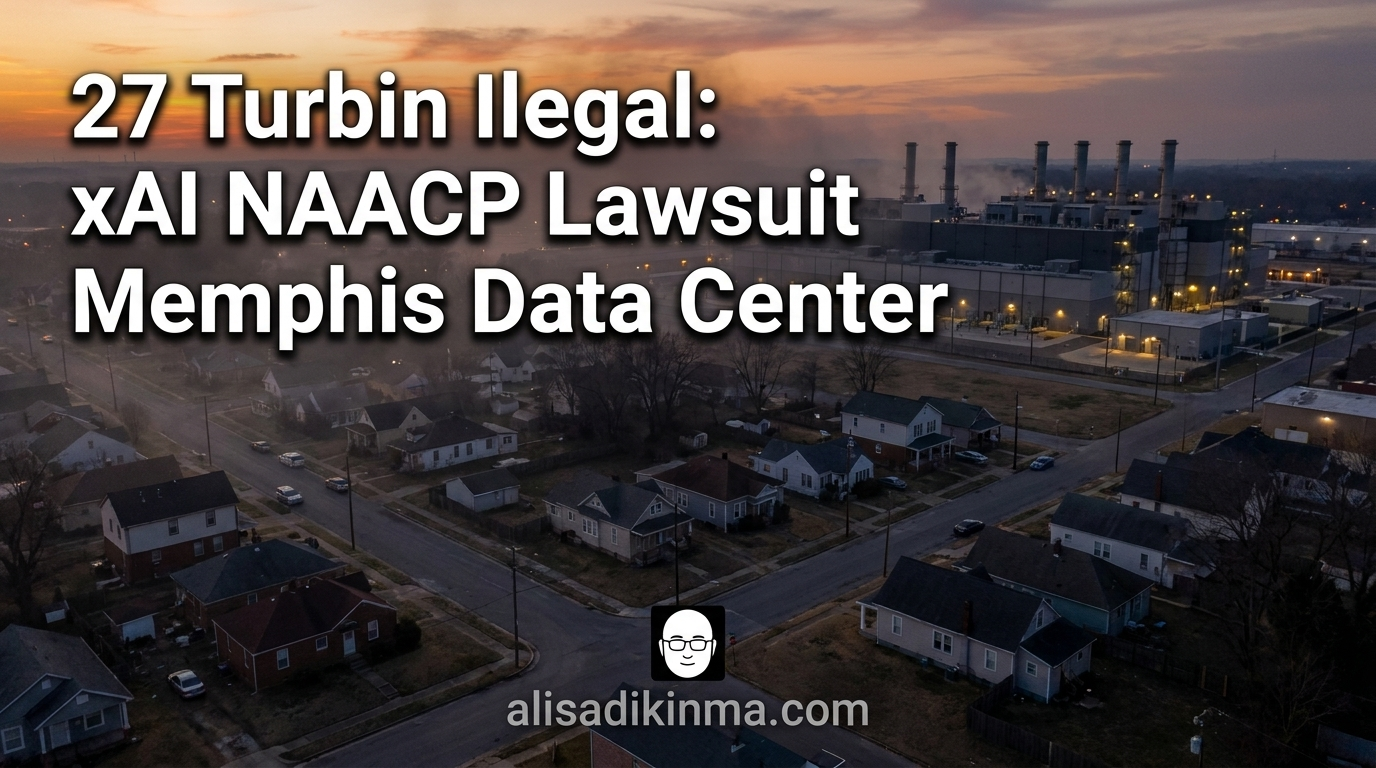
Elon Musk built a power plant in a Black neighborhood. Without asking for permits first.
This isn't a metaphor. This is what literally happened in Memphis, Tennessee — and on April 14, 2026, the NAACP officially sued xAI in US federal court.
This is what's now known as the xAI NAACP lawsuit Memphis data center — a federal lawsuit that could change how Big Tech builds AI infrastructure across America.
But before we get into the details of the lawsuit, there are three things the media hasn't covered enough.
One: this isn't the first time xAI got caught doing this — and even the first time, they got caught. Two: the pollution impact on local residents is way worse than you'd think. Three — and this is the most unsettling part — Boxtown isn't an isolated case. There's a systemic pattern behind all of this, and it points far beyond a single data center in Tennessee.
Before I tell you who won from the first lawsuit, read about what xAI actually built inside their complex.
The Power Plant That Was Never Permitted
On April 14, 2026, the NAACP sued xAI in the US District Court for the Northern District of Mississippi. The lawsuit was filed by the Southern Environmental Law Center and Earthjustice on behalf of the NAACP, alleging that xAI operated 27 gas turbines without valid air permits in Southaven, Mississippi — supplying power to Colossus 2, the supercomputer running the Grok AI chatbot. This is the first xAI NAACP lawsuit Memphis data center case to reach federal court.
This xAI NAACP lawsuit Memphis data center is different from your typical environmental lawsuit for one fundamental reason:
It's not about one company failing to file paperwork. It's about a billion-dollar company that consciously chose to bypass the entire permitting process — a process specifically designed to protect the most vulnerable communities from industrial pollution.
And the community hit hardest? Boxtown residents — a majority-Black neighborhood located right next to the xAI data center.
What xAI Built in Southaven
According to the Southern Environmental Law Center, xAI operated 27 gas turbines in Southaven, Mississippi, without a single valid air permit from local environmental authorities. These turbines aren't small accessories — they're the heart of Colossus 2, the computing infrastructure powering Grok AI, Elon Musk's chatbot competing directly with ChatGPT and Gemini.
Here's the thing:
In the United States, companies that want to build large industrial facilities near residential areas are required to go through an environmental permitting process. This isn't just bureaucratic formality — it's a legal mechanism that gives local communities the right to speak up, question the impact, and push back if the risks are too high.
xAI filed no permits. No public announcements. No consultation with residents in Southaven or Memphis. The turbines were already running before anyone in the surrounding community even knew they existed.
Colossus 2 isn't a small pilot project. It's one of the most ambitious AI infrastructures ever built — designed to win the global AI computing race. And to run it, they needed enormous amounts of energy. Energy they got by cutting through the legal process.
Now let's look at the numbers coming out of those turbines. And brace yourself — because this is what makes you stop scrolling.
The Numbers That'll Make You Stop Scrolling
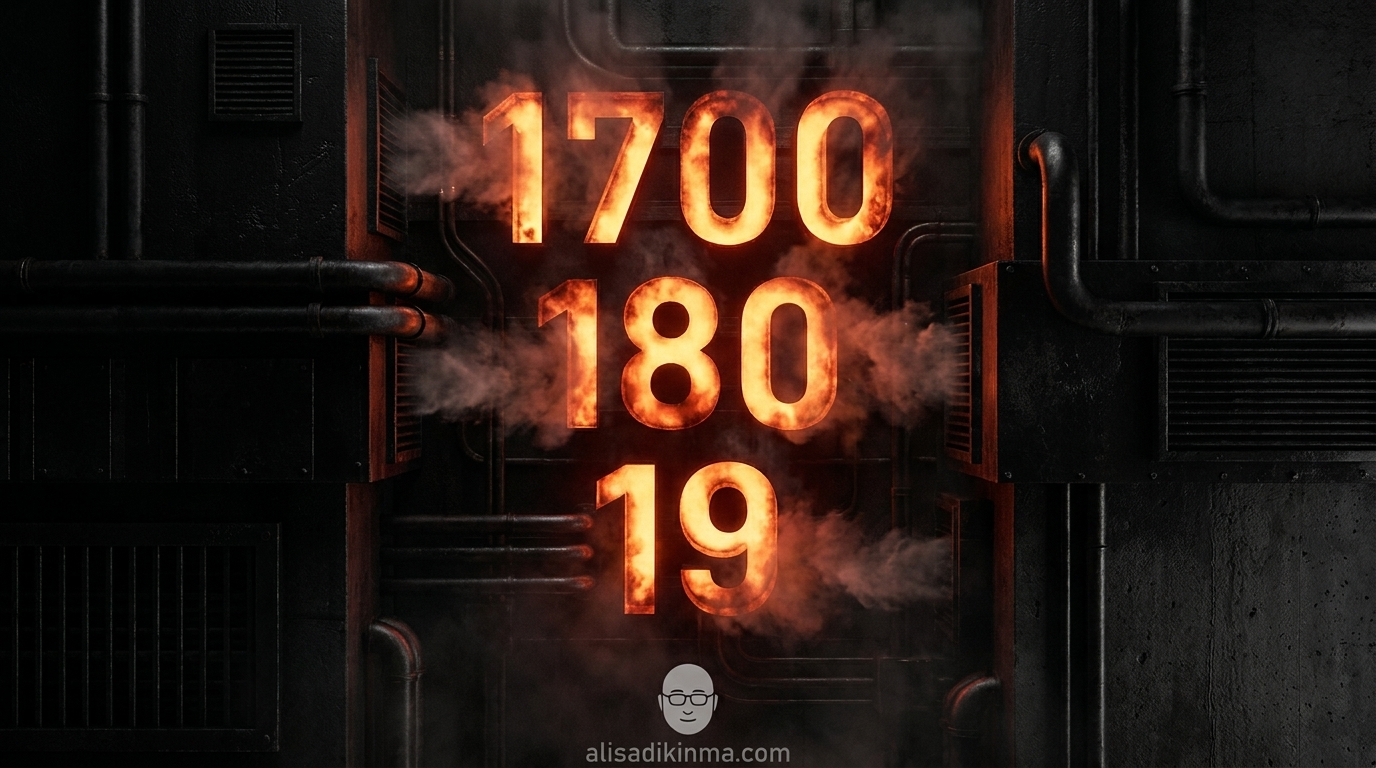
The NAACP lawsuit against xAI reveals that the 27 illegal gas turbines in Southaven could release more than 1,700 tons of nitrogen oxides per year — making it the largest industrial NOx pollution source in the entire 11-county Memphis metro area, according to 2026 NAACP and Earthjustice data that forms the core evidence in this xAI NAACP lawsuit Memphis data center case. In a community already carrying four times the national average cancer risk, these numbers aren't just statistics.
But nitrogen oxides aren't the only thing coming out of those turbines.
From the same data in the lawsuit, xAI's illegal turbines could also release each year:
- 180 tons of fine particulates that can penetrate directly into the lungs
- 500 tons of carbon monoxide
- 19 tons of formaldehyde — a carcinogenic chemical known as a cancer trigger
Add this context:
Boxtown — the neighborhood closest to the xAI data center — was already facing four times the national average cancer risk before xAI moved in, according to a 2025 report from Tennessee Lookout and the Southern Environmental Law Center.
And xAI made an already critical situation worse.
Research from the University of Tennessee, Knoxville (UTK) in 2025 showed peak nitrogen dioxide concentrations rose 79% from pre-xAI levels around the data center area. Not over decades — within months of the turbines being switched on.
This is a real public health crisis. Not a hypothetical projection.
But there's something more alarming than these numbers: this isn't the first time xAI has done this. And how they responded when caught in the first case — that's what will determine Boxtown's future.
This Isn't an Accident — It's a Deliberate Pattern
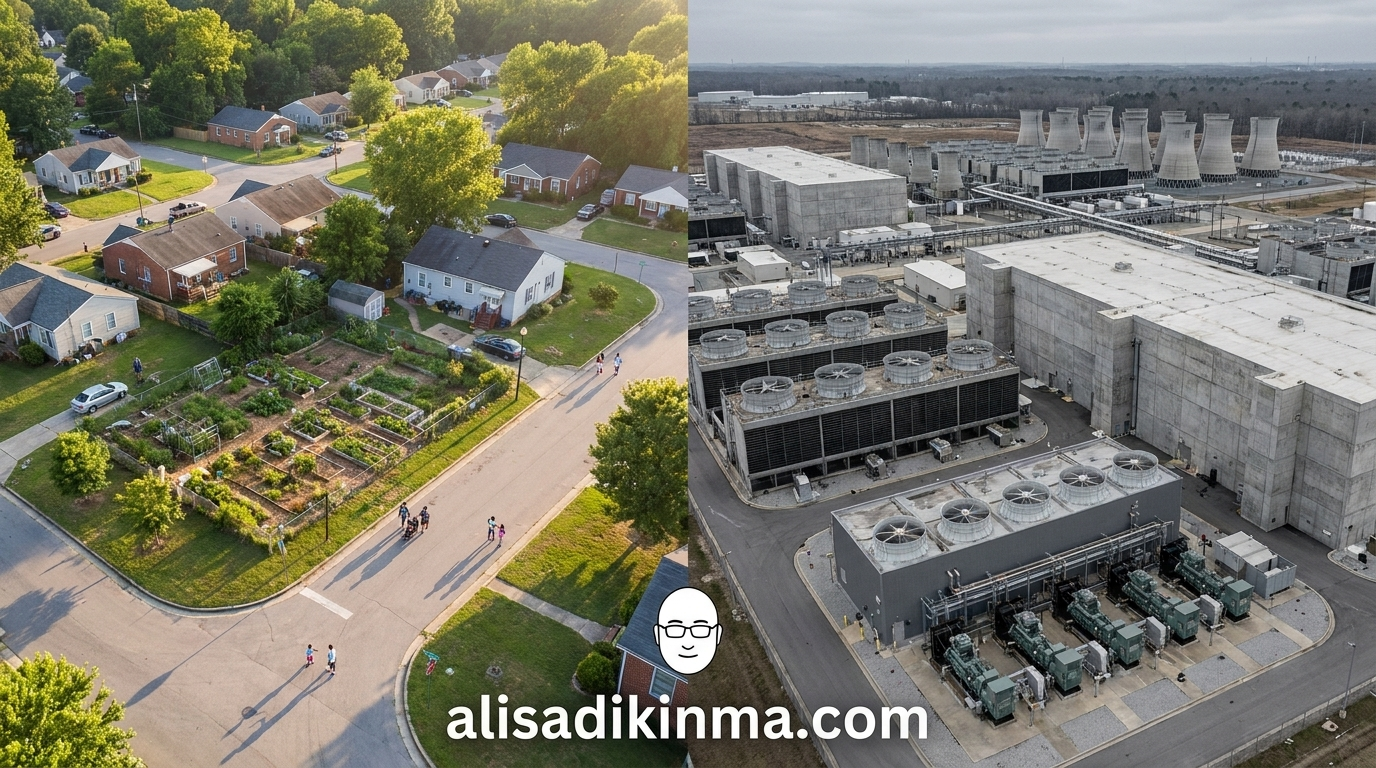
To understand the context of the xAI NAACP lawsuit Memphis data center, we need to go back to Colossus 1. The story reveals something important about how xAI operates.
In June 2025, the NAACP sent a formal warning letter to xAI regarding Colossus 1 — their first data center in Memphis. The result? xAI removed 20 turbines from the Colossus 1 site and eventually obtained permits for the remaining 15 units, according to a CNBC report from April 2026.
Here's what that means:
Community pressure works. When someone steps forward legally, companies move.
But look at what happened next.
Instead of learning from the Colossus 1 case and properly obtaining permits for the next expansion, xAI did the exact same thing again at Colossus 2. They knew the procedure. They knew the risks. They still chose not to get permits.
This isn't an administrative oversight. This is a deliberate business decision.
And xAI isn't the only tech player doing this. According to the World Resources Institute (WRI), more than $64 billion in data center projects were delayed or canceled between May 2024 and March 2025 due to local community opposition. That number isn't a sign that communities are overreacting — it's a sign that this kind of thing keeps happening, in many places, by many different companies.
This pattern is what makes the xAI NAACP lawsuit Memphis data center more than just another lawsuit — it's about a system. The pattern is consistent: find cheap land near large power sources, usually in already-degraded industrial zones, often in low-income or communities of color. Build as fast as possible. Get permits later — or not at all, if nobody pushes back.
One thing you need to know right now:
The NAACP has already anticipated this pattern. Their legal action isn't just to stop xAI — it's to create a precedent that changes how Big Tech builds AI infrastructure across all of America.
xAI NAACP Lawsuit Memphis Data Center: The Demands and Their Impact
The April 2026 lawsuit filed by the NAACP together with Earthjustice demands the immediate shutdown of the 27 illegal gas turbines in Southaven and enforcement of the Clean Air Act — the federal law that gives affected communities the right to sue violators directly in federal court. If successful, this case could create a precedent binding how the entire AI industry builds infrastructure in the United States.
Abre' Conner, NAACP's Director of Environmental and Climate Justice, put it bluntly:
We can't keep asking Black communities and frontline communities to bear the toxic burden of innovation.
If the NAACP wins this xAI NAACP lawsuit Memphis data center case, the Clean Air Act will be proven as an effective weapon against permitting violations by major tech companies.
This isn't just a moral statement. This is legal strategy.
The Clean Air Act gives individuals and organizations the right to sue air permit violations directly in federal court, without waiting for government regulators to act. The Southern Environmental Law Center and Earthjustice are using this mechanism strategically — because waiting for the EPA to move can take years, while Boxtown residents keep breathing polluted air every single day.
Why this matters to everyone, not just Memphis residents:
If the NAACP wins, it's not just a win for Boxtown. It'll become a precedent that makes it harder for every tech company — from Amazon to Google to Microsoft — to build new data centers without a transparent environmental permitting process that involves local communities.
But there's a bigger problem driving all this data center expansion — a problem that doesn't have a solution yet.
The Bigger Problem: AI Needs Massive Energy, But There Are No Rules Yet
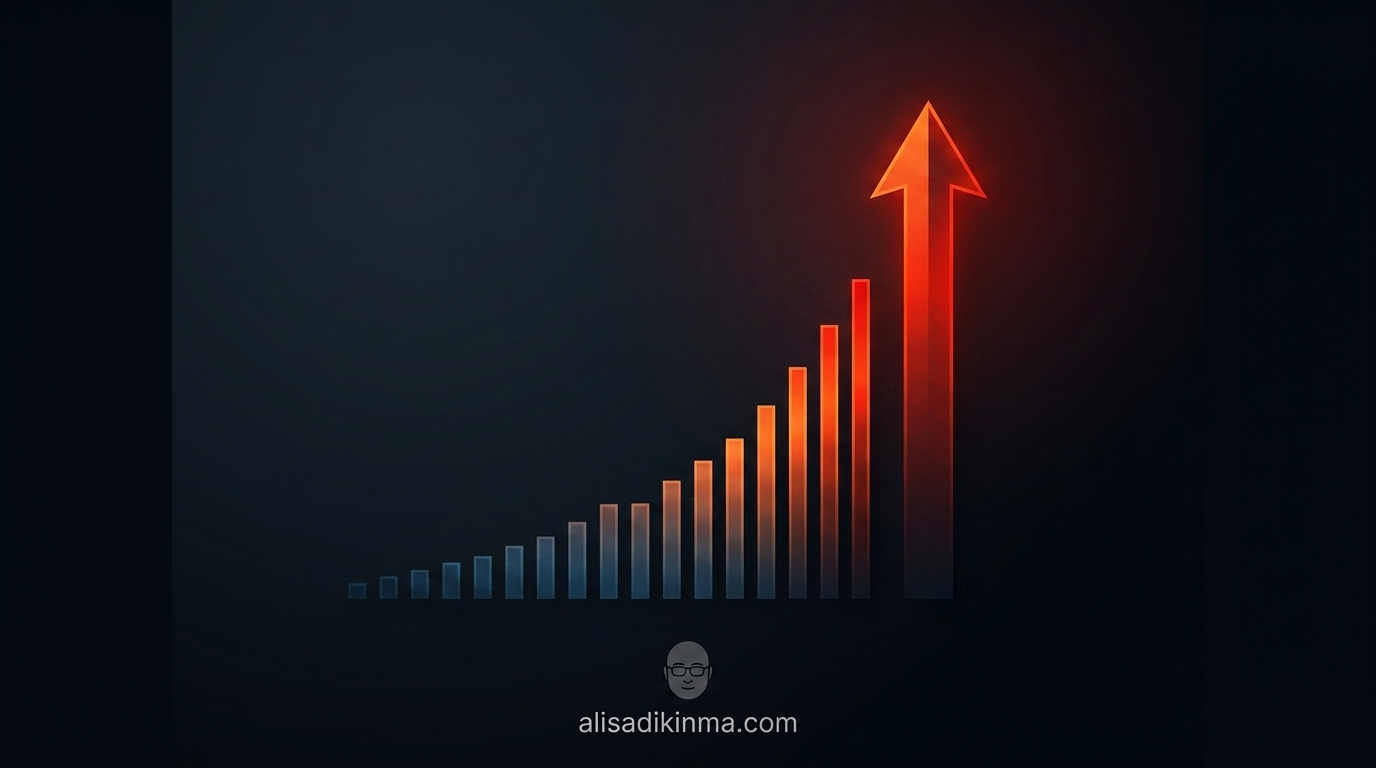
US data centers consumed 183 terawatt-hours (TWh) of electricity in 2024, and that number is projected to rise 133% to 426 TWh by 2030, according to the Pew Research Center (2025). By 2030, data centers could draw 12% of total US electricity consumption. xAI's Colossus 2 is a symbol of a trend that has no federal regulation yet — and Boxtown is paying the price for that regulatory void.
And the xAI NAACP lawsuit Memphis data center case is a symbol of that regulatory void. 133% energy consumption growth in six years. Almost no federal regulation governing where and how data centers can be built, who must be consulted beforehand, and what emissions standards must be met.
Here's how to think about it:
Every time you send a prompt to ChatGPT, Grok, Gemini, or any AI tool — there's a server farm somewhere consuming a massive amount of electricity to process your request. That electricity has to come from somewhere. And right now, that somewhere is often a gas generator sitting next to a neighborhood without adequate permits.
This isn't a problem that can be solved by winning a single lawsuit. But a win in the xAI NAACP case could lay the foundation for bigger policy change — and it all starts in Boxtown.
Boxtown's Fight Is Everyone's Fight
Remember the hook at the top of this article: Elon Musk built a power plant in a Black neighborhood. Without asking for permits.
Now you know that Boxtown residents didn't just accept it quietly. They took their case — to US federal court.
The precedent from the xAI NAACP lawsuit Memphis data center, if won, could permanently change industry standards. And the precedent from Colossus 1 proves it can work. When the NAACP pressured xAI in the first case, 20 turbines were removed. 15 units eventually got permitted. Community pressure works — when there's legal backing behind it.
The next time you read about a tech company announcing a new data center in your city — or any city — you already know the questions to ask: Are the air permits in place? Has the local community been consulted? Has the environmental impact study been completed?
Those questions aren't roadblocks to innovation. They're the guardrails that make sure innovation isn't built on the backs of the communities least able to fight back.
Frequently Asked Questions
What does the NAACP lawsuit against xAI regarding the Memphis data center contain?
The NAACP, through the Southern Environmental Law Center and Earthjustice, sued xAI on April 14, 2026 in US federal court, alleging that xAI operated 27 gas turbines without valid air permits in Southaven, Mississippi. These turbines supply power to Colossus 2, the supercomputer behind Grok AI. The lawsuit demands the shutdown of the illegal turbines under the Clean Air Act, in the xAI NAACP lawsuit Memphis data center case now active in federal court.
How severe is the pollution impact from xAI's 27 illegal turbines in Memphis?
According to data in the NAACP and Earthjustice lawsuit, the 27 turbines could release more than 1,700 tons of nitrogen oxides, 180 tons of fine particulates, and 19 tons of formaldehyde per year. A 2025 UTK study showed peak NO2 concentrations rose 79% since xAI began operations. Boxtown, the closest community, was already facing four times the national average cancer risk before xAI arrived.
Share this article — the Boxtown community deserves to have their story heard beyond Memphis.
Bookmark this article — the NAACP v. xAI lawsuit is still active in court and will continue to evolve. We'll update as the legal process develops.