OpenAI Apple Lawsuit: Why This Big Partnership Fell Apart
By Ali Sadikin Ma · · Updated
Category: Technology
OpenAI thought their partnership with Apple would generate billions of dollars. Two years later, an OpenAI Apple lawsuit is now a seriously considered option.
This isn't gossip. This isn't speculation.
Bloomberg reported in May 2026 that OpenAI has hired an outside law firm to explore legal options related to the OpenAI Apple partnership — including the possibility of formally sending a breach-of-contract notice to Apple.
Two questions are probably running through your head right now:
What exactly did Apple promise OpenAI, and why did it fall through?
And more importantly: if the two most powerful companies in the tech industry can't make this AI partnership work, what does that mean for you as an iPhone user?
The answer is more surprising than you'd think.
A Promising Start: When Apple and OpenAI Joined Forces
June 2024. Apple WWDC. ChatGPT officially landed in iOS — integrated directly into Siri and the Visual Intelligence feature on iPhone. Not as a regular third-party app, but as part of Apple's own operating system.
The tech world went wild. And OpenAI had good reason to be optimistic.
Apple has 2.2 billion active devices worldwide. OpenAI's internal projections at the time: this partnership had the potential to generate billions of dollars per year from converting iPhone users to paid ChatGPT — a reasonable number given that level of distribution.
But two years later, the story has completely changed.
Those billion-dollar projections “haven't come close to materializing,” according to sources with direct knowledge of the situation, as cited by Bloomberg. And there are three concrete reasons why this happened.
3 Reasons This OpenAI Apple Lawsuit Could Happen
This isn't just about expectations being too high. There are three real problems that piled up over the last two years and pushed this OpenAI Apple lawsuit forward.
1. ChatGPT was buried deep — and Apple didn't help dig it out
The ChatGPT integration into Siri turned out to be far from what OpenAI hoped for. The feature exists, but users have to actively search for it and enable it themselves. There's no prominent placement in Siri. No ad campaign from Apple explicitly pushing users to try ChatGPT.
MacRumors reported that OpenAI is frustrated because ChatGPT wasn't deeply integrated into more Apple apps, didn't get a prominent position in the Siri interface, and Apple didn't advertise the integration enough to its hundreds of millions of users.
The results speak for themselves: of ChatGPT's 900 million weekly active users globally (TechnologyChecker.io, February 2026), only a small fraction came through the Apple channel. Yet iPhone has 2.2 billion active devices — a number that should've driven massive conversion to ChatGPT Plus.
This is the first root cause of the OpenAI Apple lawsuit being prepared.
2. Apple had its own complaints — about privacy and hardware
It's not just OpenAI that's unhappy. Apple has legitimate complaints too.
Fortune reported that Apple is worried about OpenAI's data privacy standards. But what's more surprising: Apple is bothered by OpenAI's move into consumer hardware — a project led directly by Jony Ive, Apple's own former chief design officer.
Picture Apple's position. They're integrating AI from a company that's quietly building hardware that could directly compete with Apple products in the future. That's not just a business inconvenience — it's a conflict of interest that's hard to ignore.
3. Apple is building a multi-model strategy — and OpenAI is no longer special
This is the biggest long-term impact.
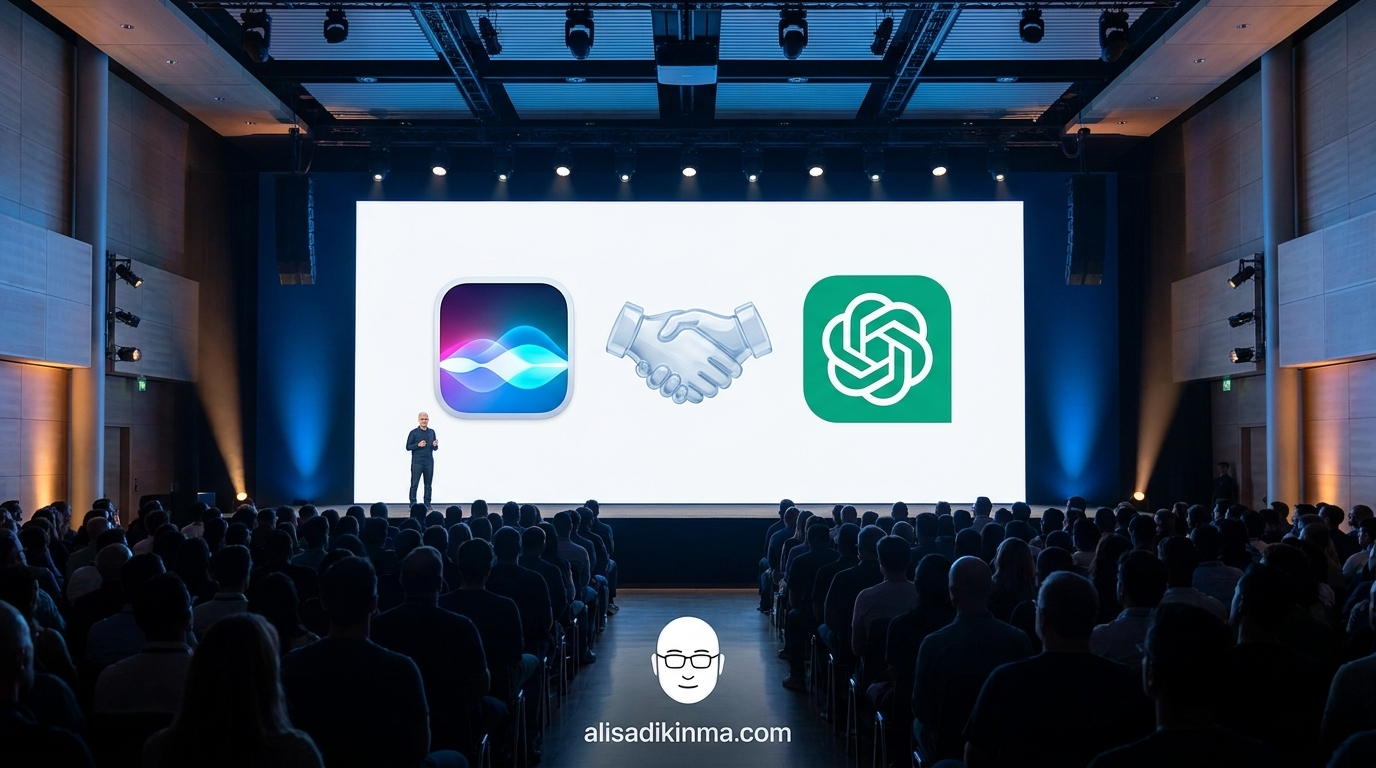
The Information reported that Apple is now actively testing integrations with Claude from Anthropic and Gemini from Google. Not as a small experiment — but as part of an official strategy that will give iPhone users their choice of AI model.
OpenAI's status as “primary partner” in the Apple ecosystem is now in serious danger. And most likely, that's what's pushing OpenAI to consider legal action — because quietly accepting this situation means losing their leverage forever.
The Impact: It's Not Just About OpenAI and Apple
Here's what matters for you as an iPhone user:
This OpenAI Apple lawsuit could directly change your AI experience on your device — and faster than you'd expect.
There's a real possibility that at WWDC 2026, Apple will announce that you can choose your own AI assistant on your iPhone — ChatGPT, Claude, or Gemini. The choice is in your hands, not determined by one exclusive business deal.
But there's a bigger angle here.
OpenAI actually doesn't need Apple to survive. Their revenue hit $25 billion per year as of February 2026, according to Sacra — almost entirely from direct subscriptions and enterprise deals, not from the Apple partnership. ChatGPT already has 900 million weekly active users without needing iPhone distribution.
What's really at stake is who controls the AI layer on consumer devices. Apple is positioning itself as the gatekeeper — deciding which AI gets in and how deeply it's integrated. OpenAI doesn't want to just be a vendor that can be swapped out at any time.
And that's why the legal option is now on the table.
What You Need to Watch Next
Remember those billion-dollar projections from earlier? That number isn't just about money.
It's about who holds the leverage in the world's largest consumer AI ecosystem.
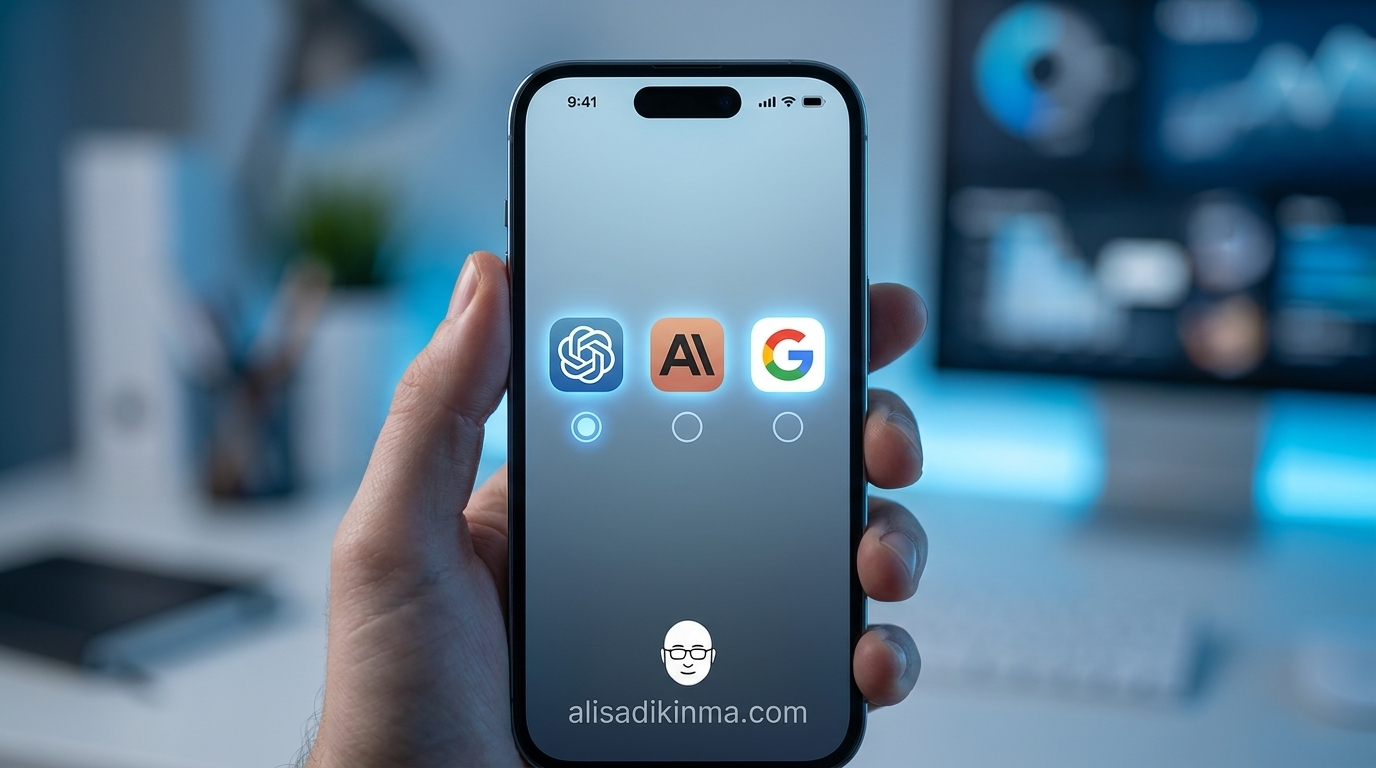
Bloomberg reported that Apple will most likely announce an official multi-model strategy at WWDC 2026 — giving users the choice between ChatGPT, Claude, and Gemini. If that happens, this isn't just a new iPhone feature. It's a major power shift in the global AI industry.
The OpenAI Apple lawsuit being prepared is a signal that OpenAI doesn't want to just be a partner that can be replaced at any moment.
Three things you need to watch:
- Will the OpenAI Apple lawsuit actually be filed, or will it end as a renegotiation?
- Will Apple officially announce a multi-model AI strategy at WWDC 2026, and which models make the cut?
- How will OpenAI respond if they actually lose their special status on iPhone?
If Apple can just swap out OpenAI, what does that mean for every other AI company partnering with major platforms? This question will shape AI industry dynamics for years to come.
Save this article — when Apple announces its multi-model AI strategy at WWDC 2026, you'll need this context to understand the full impact.
Curious how Apple's AI strategy will shape the industry competition? Read our full analysis of the 2026 AI platform war.
Frequently Asked Questions
Why is OpenAI considering legal action against Apple?
OpenAI is frustrated because ChatGPT didn't get deep integration in the Apple ecosystem and wasn't actively advertised to iPhone users. As a result, the billion-dollar-per-year projections from converting users to ChatGPT Plus never materialized. The OpenAI Apple lawsuit is seen as a response to a potential breach of contract, according to Bloomberg's May 2026 report.
Can OpenAI survive without the Apple partnership?
Yes. Sacra notes OpenAI posted $25 billion in annual revenue as of February 2026 — almost entirely from direct subscriptions and enterprise deals. With 900 million weekly active users globally, OpenAI has already built a strong user base without depending on Apple distribution.