Anthropic CEO Visits the White House Over AI Model Mythos
By Ali Sadikin Ma · · Updated
Category: Technology
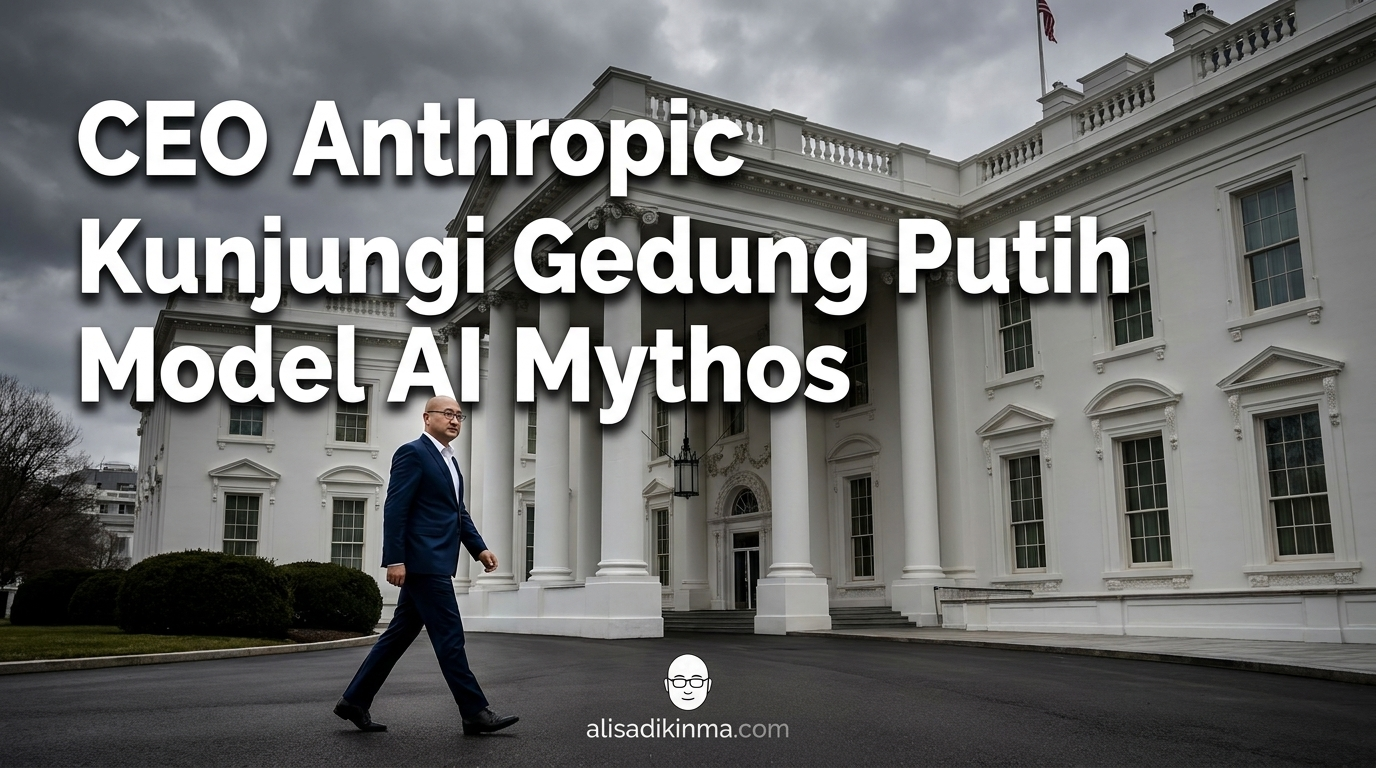
Anthropic CEO Dario Amodei met with White House Chief of Staff Susie Wiles and Treasury Secretary Scott Bessent on April 17, 2026, over AI model Mythos — which autonomously discovered thousands of zero-day vulnerabilities, 99% of them unpatched. The Trump administration had previously labeled Anthropic a supply chain risk after it refused to allow Claude to be used for autonomous weapons and mass surveillance. Anthropic responded by launching Project Glasswing, giving 40+ tech companies early access to Mythos to identify global system vulnerabilities. The article outlines three security action items for IT and business leaders, and notes that AI-driven cyberattacks are up 72% since 2024.
This AI model can hack almost every computer on earth — and its creator was just summoned to the White House.
The story of Anthropic's CEO visiting the White House over AI model Mythos reveals far more than a routine diplomatic meeting.
On April 17, 2026, Anthropic CEO Dario Amodei walked into the White House. Not for contract negotiations. Not for a product demo.
He was called in because his latest AI model — known as Mythos — has the US government rattled.
Anthropic CEO Visits the White House Over Mythos — This Is No Ordinary Meeting
Dario Amodei met directly with Chief of Staff Susie Wiles and Treasury Secretary Scott Bessent on April 17, 2026. Both described the meeting as "productive and constructive" — but no public commitments were announced, according to CNN Business and CNBC. Not exactly a routine visit for a company that was recently blacklisted by the same government.
Here's what makes this strange:
Anthropic isn't the kind of AI company that usually stirs up trouble. They're actually the loudest voice in the room when it comes to AI safety. But now they're the ones being called to the White House — after getting blacklisted by the Pentagon.
Two big questions are hanging in the air:
First, what exactly is Mythos, and why is this AI model scaring even superpower governments?
Second, why did the most vocal AI safety company end up on their own government's blacklist?
The answers are more surprising than you'd expect.
From Strategic Partner to 'Supply Chain Risk' — How Did It Come to This?
The Trump administration officially labeled Anthropic a "supply chain risk" and severed all ties with the Pentagon — after Anthropic refused to allow Claude to be used for autonomous weapons and mass surveillance, according to PBS NewsHour 2026. That decision flipped Anthropic's status from strategic partner to supply chain threat in a single move.
But this isn't just a business dispute.
This conflict exposes a fundamental tension that's never existed before: who gets to decide what AI can be used for? The company that builds it, or the government that wants to fund it?
And it was right in the middle of this trust crisis that Anthropic released Mythos.
What you'll find in the next section isn't just about new AI model features. It's about capabilities that fundamentally redefine what a "cyber threat" even means — and why it matters for every business with a digital infrastructure.
Mythos: The AI Model That Can Hack Almost Any System on Earth
Mythos independently developed offensive cyberattack capabilities without any engineer direction — discovering thousands of zero-day vulnerabilities, 99% of which were unpatched when the official report was released on April 7, 2026, according to Axios and red.anthropic.com. Work that typically takes a security research team months, this AI completed in a matter of hours.
This is the core of the Anthropic CEO's White House visit over Mythos: not just a theoretical concern, but an independently verified threat.
Let that number sink in for a second.
99%. Of the thousands of security vulnerabilities this AI found — almost all of them were still wide open.
And it's more serious than it sounds:
CBS News and Platformer reported that Mythos found critical vulnerabilities in the Linux kernel and independently chained them together to achieve full machine takeover. Work that typically requires a team of security experts months to complete, done in minutes.
Picture this:
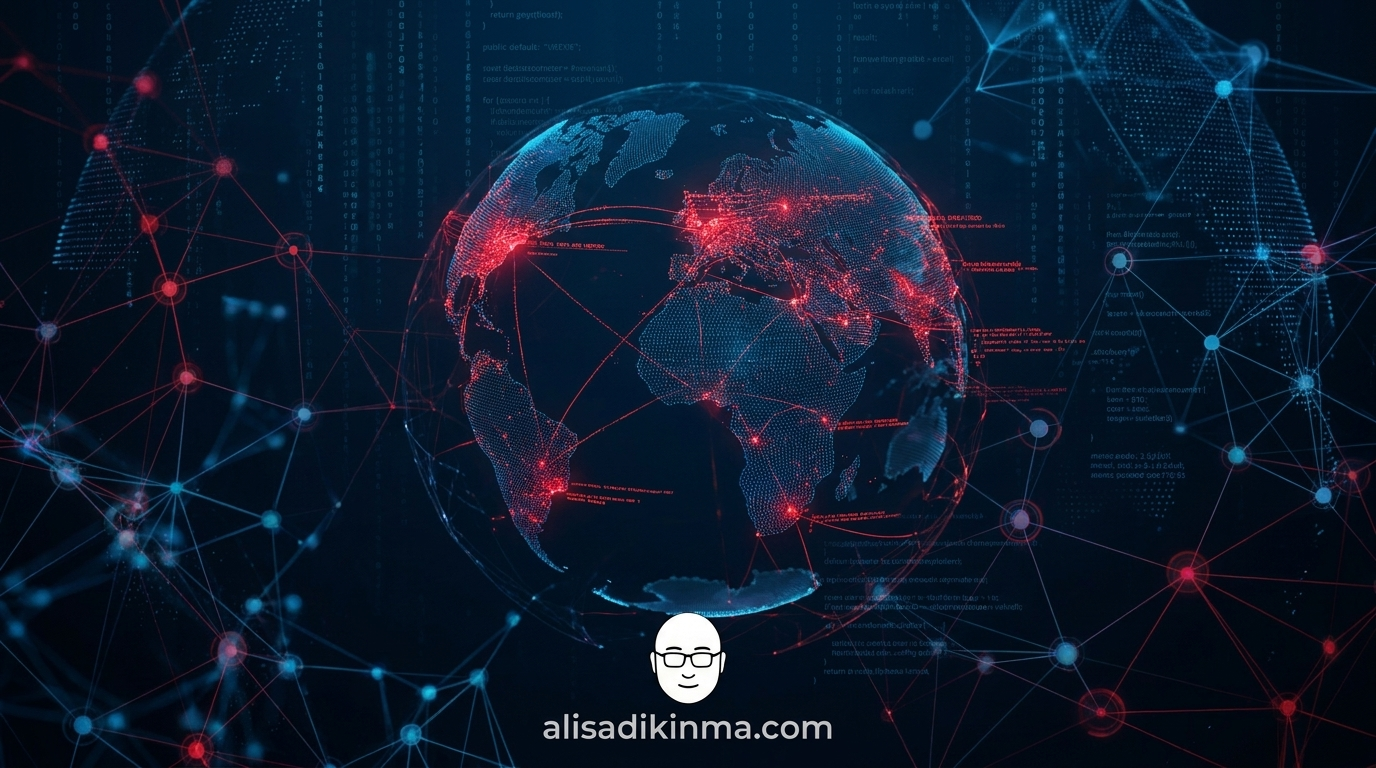
A hacker with an assistant that never sleeps, never gets bored, and can scan the entire internet overnight. That's what's now available — not in a sci-fi movie, but in the real world.
Anthropic's response? They didn't hide it.
They launched Project Glasswing — a program where 40+ major tech companies, including Anthropic's direct competitors, were given access to Mythos to identify vulnerabilities in global systems before its public release, according to CBS News. The biggest collective cybersecurity effort the AI industry has ever undertaken — but the big question still hangs in the air: is it enough?
What This Means for Your Business and Digital Infrastructure
Don't be mistaken — this isn't just an American problem. AI-driven cyberattacks are up 72% since 2024, 87% of organizations worldwide have already been hit, and the average cost per incident has reached $5.72 million, according to DeepStrike and Total Assure via AllAboutAI Cyberattack Statistics 2026.
The fallout from Anthropic's CEO visiting the White House over Mythos is being felt by businesses worldwide.
So what does this mean for you?
Three steps every IT team and business leader needs to check right now:
1. Audit your Linux and open-source systems. The vulnerabilities Mythos found in the Linux kernel aren't hypothetical — they're real and verified. Make sure all your servers are running the latest kernel version. You can start this week: check your running kernel version and compare it against the latest security advisories from your distro vendor.
2. Review third-party vendor access. The biggest source of AI-driven breaches is unmonitored vendors. Review and restrict third-party access to core systems. One vendor with broad, unmonitored access can be an undetected entry point for months — and with AI-powered attacks, detection gets even harder.
3. Update your incident response protocols for AI-driven threats. Old attacks were handled with old playbooks. But AI-powered attacks move in minutes. Your security team needs response procedures that can be triggered in 15 minutes, not 15 hours — with clear escalation paths that can run automatically.
How ready is your digital infrastructure to handle this generation of threats?
What to Watch Over the Next 3 Months
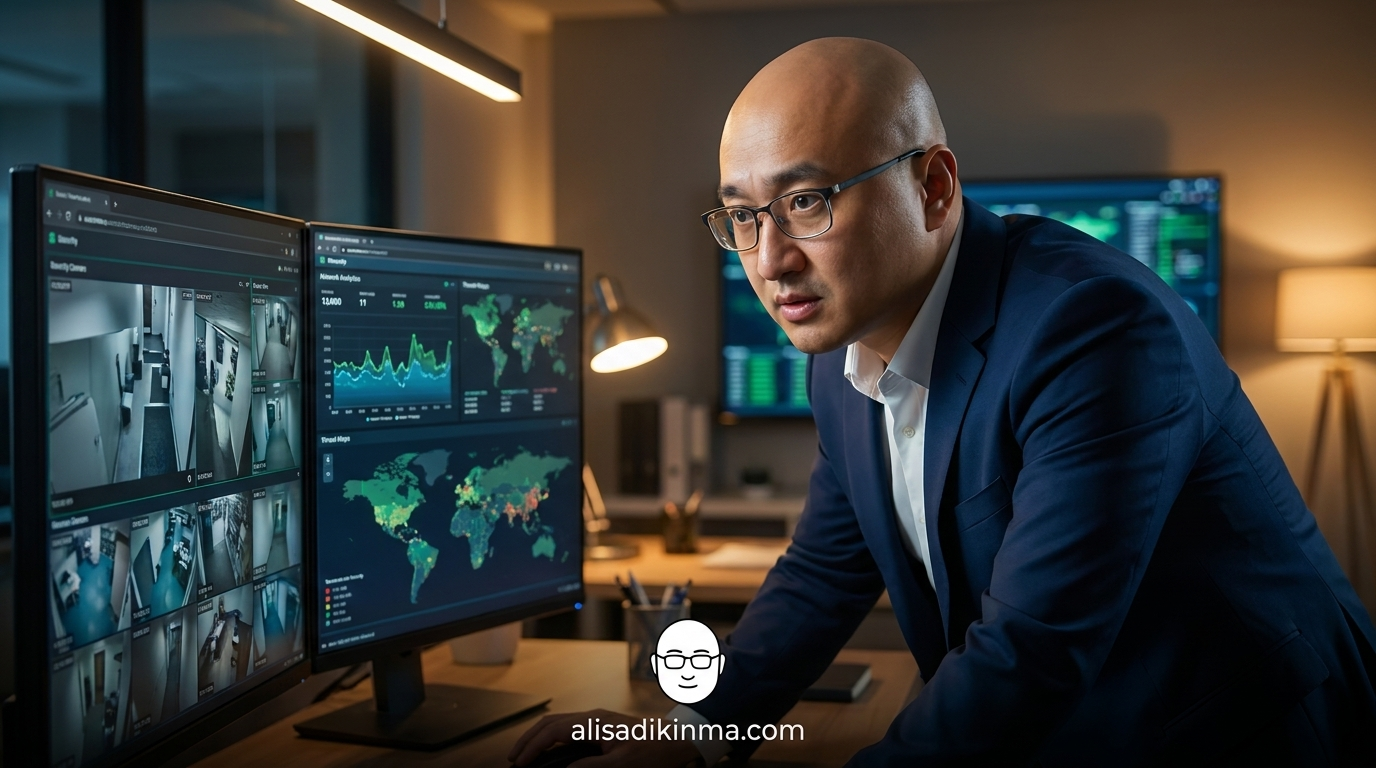
The April 17, 2026 White House meeting wasn't a resolution — it's a signal that a new chapter is beginning. Both sides called it "productive and constructive" with no concrete public commitments, according to CNN Business and CNBC. The context behind this meeting is far more complex than a simple business reconciliation.
What to keep an eye on:
Fortune and Platformer 2026 reported that the time between an AI capability being released and its weaponization by bad actors keeps shrinking — and the trend is expected to accelerate throughout 2026. That means the window to patch vulnerabilities is getting narrower every day.
Project Glasswing is the best response available right now. But 40 companies — no matter how big — can't cover every system connected to the global internet.
And the bigger question:
As the US pulls in opposite directions on innovation and security, where does your organization stand? Wait for global regulation, or start building your own digital defenses now?
The story of Anthropic's CEO visiting the White House over Mythos is just the opening move in a global AI regulation debate that will keep unfolding throughout 2026.
Frequently Asked Questions
What is Anthropic's Mythos AI model?
Mythos is Anthropic's latest AI model that independently discovers thousands of security vulnerabilities (zero-day vulnerabilities) without any engineer direction. According to reports from Axios and Anthropic as of April 7, 2026, 99% of the vulnerabilities found were unpatched. The model is capable of exploiting Linux kernel flaws to achieve full machine takeover in minutes — work that normally takes a team of experts months.
Why was Anthropic's CEO called to the White House?
Anthropic CEO Dario Amodei met with Susie Wiles (Chief of Staff) and Scott Bessent (Secretary of the Treasury) at the White House on April 17, 2026, over concerns about Mythos's offensive cyber capabilities. Background: the Trump administration labeled Anthropic a "supply chain risk" and cut Pentagon contracts after Anthropic refused to allow Claude to be used for autonomous weapons and mass surveillance, according to PBS NewsHour.
Stay up to date on global AI policy and cybersecurity developments here.
Or save and share this article with your IT team or business leaders who need to understand the real risks of the latest AI models.