Anthropic SpaceX Data Center Deal Doubles Claude Rate Limits
By Ali Sadikin Ma · · Updated
Category: Technology
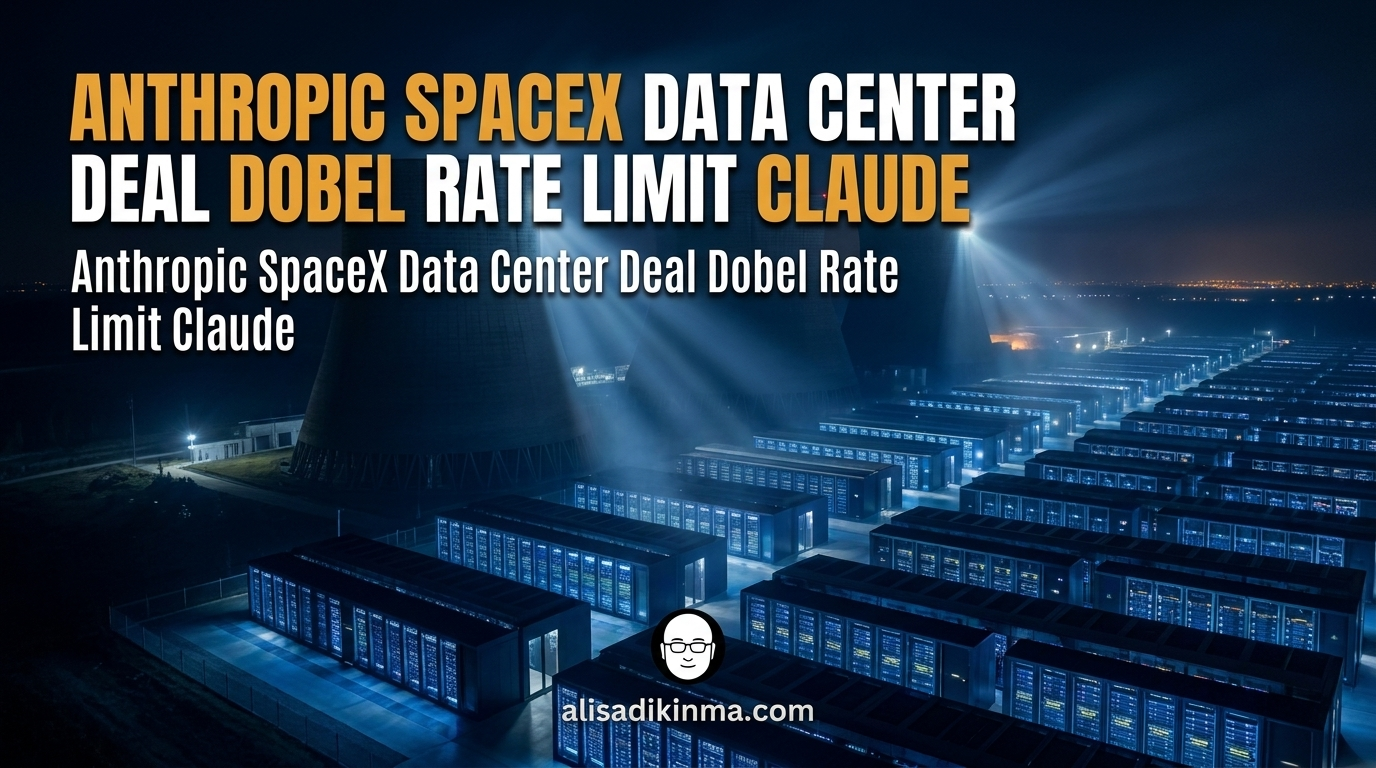
Elon Musk just handed Anthropic 220,000 of his own GPUs.
Read that again.
The Anthropic SpaceX data center deal is official: Anthropic is leasing the entire Colossus 1 — SpaceX's supercomputer in Memphis, Tennessee. Musk, who owns xAI as a direct competitor to Claude, just rented out his biggest supercomputer to a company that isn't his. How did two rivals this big close a deal this expensive?
And not just a handful of GPUs. We're talking 220,000 NVIDIA H100, H200, and GB200 units — the most expensive and most sought-after chips in the world right now — plus 300 megawatts of power capacity. What do these numbers mean for the AI compute war as a whole?
This deal isn't just another business headline. You can feel it directly. If you're using Claude Pro, Claude Max, or Claude Code today, something in your account has already changed.
But before we get into the numbers, we need to understand why this deal shouldn't have been possible at all.
The Assumption Everyone Made About Musk and Anthropic
Anthropic was seeing 80x demand growth — far beyond their internal 10x projections, according to The New Stack. At the same time, Elon Musk and Anthropic were considered impossible partners: Musk co-founded OpenAI, left in 2018, then started xAI in 2023 as a direct competitor to Claude. That assumption just got proven wrong.
The narrative had been clear all along: Musk would never help Anthropic.
Anthropic was born from an OpenAI team exodus in 2021, led by Dario Amodei. Musk then built xAI and Grok — head-to-head competitors to Claude. The logic was simple: two direct rivals don't help each other.
But there was one problem that grew too big to ignore.
Claude exploded. Not just grew — exploded. Demand was coming in way faster than capacity could be built.
The result? Pro users hitting rate limits in the middle of work. Developers using Claude Code suddenly stopping after 5 hours. Enterprise-paying teams weren't immune to throttling during peak hours. Forum complaints piled up, weird workarounds popped up everywhere, and Anthropic knew this wasn't a problem you could fix with a small patch.
It wasn't a product problem. Claude was already great. The problem was purely compute capacity.
Anthropic needed GPUs in massive quantities, as fast as possible. Building their own data center takes 18–24 months. Renting from major cloud providers has its own long queues. Every month without a solution, thousands of frustrated users had a reason to try an alternative.
Then came an offer from a direction nobody expected.
But the incoming capacity wasn't just a temporary fix — it was a completely different scale.
Anthropic SpaceX Data Center Deal Colossus 1: 3 Numbers That Change Everything
In the Anthropic SpaceX data center deal, Anthropic gets access to Colossus 1 — SpaceX's supercomputer in Memphis, Tennessee, housing 220,000+ NVIDIA H100, H200, and GB200 GPUs with 300 megawatts of capacity, available in May 2026, according to CNBC and Tom's Hardware. Three numbers from this deal change how you see the AI compute war.
Colossus 1 isn't just a regular data center. It belongs to SpaceX — not xAI, and that distinction matters — and it was built to run GPUs at a scale that hadn't existed before.
Three numbers you need to understand:
1. 220,000+ NVIDIA GPUs (H100, H200, GB200)
Not just any GPUs. H100 and H200 are the industry standard for training large AI models. GB200 is the latest generation that only started becoming widely available in 2026. According to Tom's Hardware and CNBC, Anthropic gets access to all three at once.
A single H100 goes for around $30,000 on the market. If Anthropic had to buy these themselves, just the hardware cost would be over $6 billion — not counting infrastructure and operations. Renting from Colossus 1 means Anthropic can use all of it without waiting in line.
2. 300+ Megawatts of Power Capacity
Three hundred megawatts is enough to power a mid-sized city. Modern AI data centers are power-hungry — GPUs running at full load need massive cooling and consistent 24-hour power supply. The 300 MW capacity from Colossus 1 is one of the largest capacity blocks ever leased to a single company in cloud industry history, according to Data Center Dynamics.
3. Available Within One Month
This is the most critical part. According to CNBC reporting and Anthropic's own confirmation, this capacity started becoming available in May 2026 — the same month the deal was signed. No construction needed. No waiting for chips to ship. Colossus 1 was already standing, already operational — Anthropic just redirected its workload there.
And that means users felt the impact almost immediately.
But this is just one step in a much bigger strategy. And the next part will change how you see the entire AI industry.
What's Changed for Claude Users Right Now
Anthropic confirmed three direct changes for paid users following the Anthropic SpaceX data center deal: Claude Code rate limits doubled, peak-hour throttling removed for Pro and Max, and Claude Opus API rates increased — all active starting May 2026 based on Anthropic's official announcement.
You don't need to read a press release to feel it. These changes are already live.
1. Claude Code Rate Limits Doubled — All Paid Plans
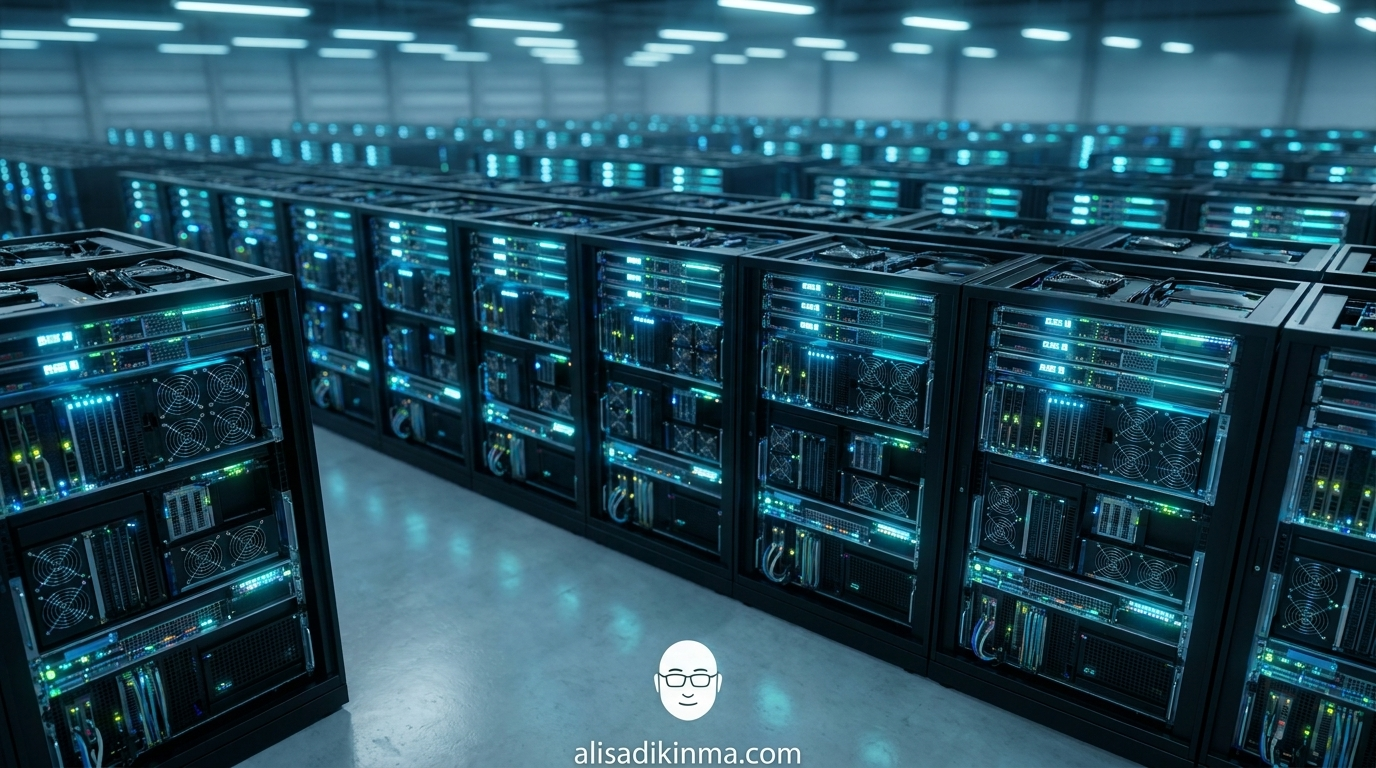
The 5-hour limit that's been developers' main complaint is now doubled for Pro, Max, Team, and Enterprise. That means you can run longer coding sessions without having to restart or switch accounts mid-workflow.
Try it now: open Claude Code, start a new session, and run a heavy task that used to stall halfway through. Note how long before you hit a limit — the results will be very different from last week.
2. Peak-Hour Throttling Removed for Pro and Max
Pro and Max users used to notice slower responses during peak hours — usually morning through midday. This restriction is now fully removed based on Anthropic's official confirmation. The 9 AM experience should be just as fast as 2 AM. No more invisible queues you didn't even know existed.
3. Claude Opus API Rates Increased
Developers building apps using Claude Opus via API get higher rate limits — immediately felt by teams that have Opus-based products in production and have been forced to implement retry logic because of frequent 429s.
And this is just from one deal. What Anthropic is building strategically is far bigger than just Colossus 1.
The Multi-Gigawatt AI Infrastructure War: Anthropic Isn't the Only One Moving
Anthropic's infrastructure commitments exceed $50 billion — including deals up to 5 GW with Amazon, 5 GW with Google/Broadcom in 2027, and $30 billion with Microsoft Azure, according to The AI Consulting Network. Anthropic's revenue run-rate passed $30 billion in 2026, up from $9 billion at the end of 2025 according to CNBC.
Colossus 1 is the tactical move from the Anthropic SpaceX data center deal. What Anthropic is building strategically is something else entirely.
In November 2025, TechCrunch reported Anthropic's commitment of $50 billion for AI infrastructure in the United States — starting with data centers in Texas and New York with Fluidstack. This isn't a 10-year plan. It's aggressive and moving fast.
At the same time, Anthropic is locking up capacity from every major player. Amazon: deals up to 5 gigawatts. Google and Broadcom: a 5 GW agreement active in 2027. Microsoft Azure: a $30 billion commitment. All based on 2026 industry data from The AI Consulting Network.
Add it all up and Anthropic is building access to dozens of gigawatts of compute capacity — a number that three years ago only existed in research lab fantasies.
This makes financial sense. Anthropic's revenue run-rate passed $30 billion in 2026, up from around $9 billion at the end of 2025 according to CNBC. With revenue like that, they can lock up capacity that smaller competitors simply can't afford.
But there's one angle of the Anthropic SpaceX data center deal that hasn't gotten much attention:
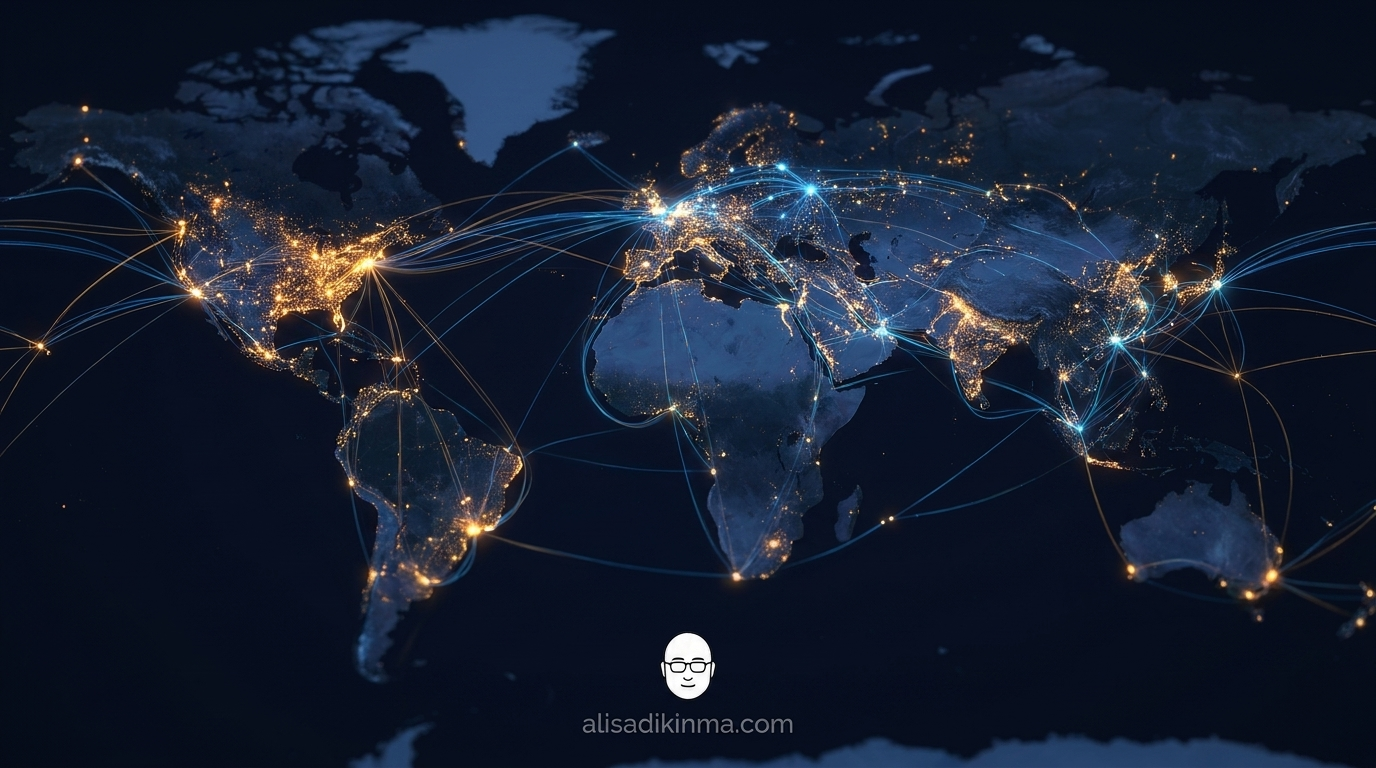
In a conversation cited by Tom's Hardware, Musk mentioned "orbital compute" — compute capacity operating outside Earth's atmosphere, with potential in the gigawatt range. Anthropic has already started exploring this possibility with SpaceX. This isn't science fiction — it's a roadmap being seriously explored.
So what was actually going through Musk's head when he agreed to rent out his biggest asset to his AI rival?
When Anthropic Mentions Orbital Compute, Pay Attention
Anthropic and SpaceX are exploring orbital capacity — space-based data centers in the gigawatt range, cited by Tom's Hardware 2026. Elon Musk explained his approval of the Anthropic SpaceX data center deal in one sentence: "No one set off my evil detector" — ending the narrative that business rivalry always beats commercial common sense.
In a conversation cited by Tom's Hardware, Musk said: "No one set off my evil detector." That's why he approved the deal. Not because competition stopped, but because in his evaluation, Anthropic wasn't doing something he considered harmful.
This closes the first loop: the deal between rivals happened not because egos disappeared, but because AI business and compute are bigger than personal rivalry.
The second loop closes with orbital compute. If SpaceX and Anthropic move forward with orbit-based capacity in the gigawatt range, that's not just about Claude's speed — that's AI infrastructure operating at a scale that's never existed before. Earth-based regulations won't touch it the same way. This isn't an upgrade — it's a new category.
The Anthropic SpaceX data center deal also proves something broader: AI infrastructure is now too important to tie to brand loyalty. Anyone with excess GPUs will sell to anyone with money and real demand. Product competition and infrastructure cooperation can — and will — run side by side.
The question you need to bring to your next AI strategy meeting:
If Anthropic has already locked up infrastructure at gigawatt scale while your competitors are still debating which LLM fits best — who's actually fallen way behind?
FAQ
What is Colossus 1 and why does the Anthropic SpaceX data center deal matter?
Colossus 1 is SpaceX's supercomputer in Memphis, Tennessee, with 220,000+ NVIDIA H100, H200, and GB200 GPUs and 300 megawatts of capacity. The Anthropic SpaceX data center deal matters because it's one of the largest compute capacity transfers between companies in AI industry history, and it directly impacts Claude user limits across all paid plans starting May 2026.
Does the Anthropic SpaceX data center deal mean Claude Pro users won't hit rate limits anymore?
Rate limits don't disappear entirely, but they've gone up significantly. The 5-hour limit in Claude Code has been doubled for all paid plans (Pro, Max, Team, Enterprise) and peak-hour throttling has been removed for Pro and Max, based on Anthropic's official May 2026 announcement.
Why did Elon Musk agree to rent out his supercomputer to Anthropic — his competitor?
Musk explained to Tom's Hardware about the Anthropic SpaceX data center deal: "No one set off my evil detector." Colossus 1 is a revenue-generating asset, and Anthropic was a tenant that met his evaluation standards. In the AI infrastructure business, product rivalry doesn't block profitable commercial deals.
Your Turn
The Anthropic SpaceX data center deal has changed one real thing: your rate limit just doubled. This is the best time to test the new limits.
Right now: Upgrade to Claude Pro or Max and try Claude Code without the old limits — starting today at claude.ai.
Or save this article before your next AI strategy meeting or vendor review — the compute landscape just shifted, and you'll want this data on hand.